
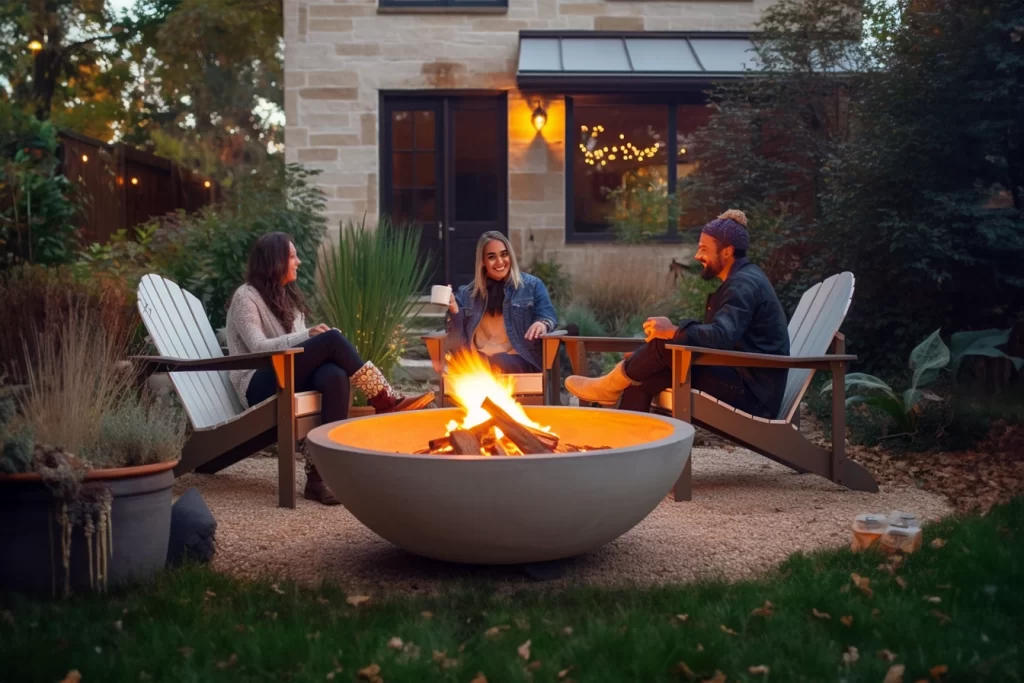
Creating a cozy and inviting outdoor fire pit area can transform your backyard into a perfect gathering spot for relaxation, entertainment, and warm conversations. Whether you prefer a DIY project or hiring professionals, designing a fire pit area allows you to customize it according to your preferences, creating a unique and stylish space.
Selecting the Perfect Location
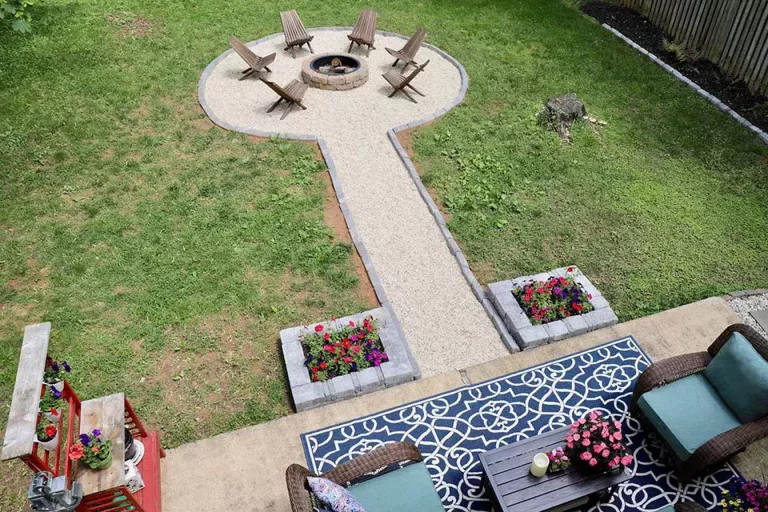
When planning your fire pit area, the first step is to choose the right location. Consider the available space, safety measures, and the overall aesthetics of your outdoor area. Ideally, the fire pit should be placed away from structures, overhanging trees, and flammable materials. Additionally, think about how the fire pit area will integrate with your existing landscape design.
DIY Fire Pit
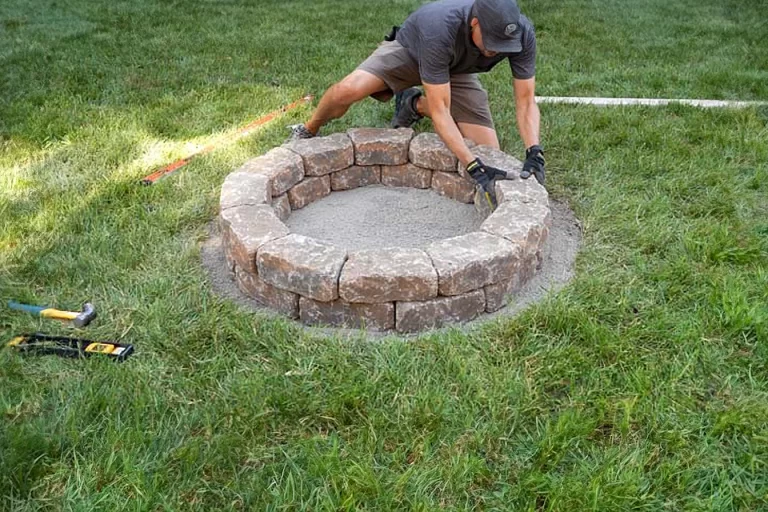
Building your fire pit is an exciting and rewarding DIY project. A circular fire pit is a popular choice, as it creates a focal point and encourages a sense of togetherness. Start by marking the desired area and digging a shallow circular pit. Use bricks, stones, or concrete blocks to build the walls of the fire pit, ensuring they are sturdy and heat-resistant. Finish it off with a fire-resistant grate or metal ring in the center to hold the firewood.
Gravel Fire Pit Area
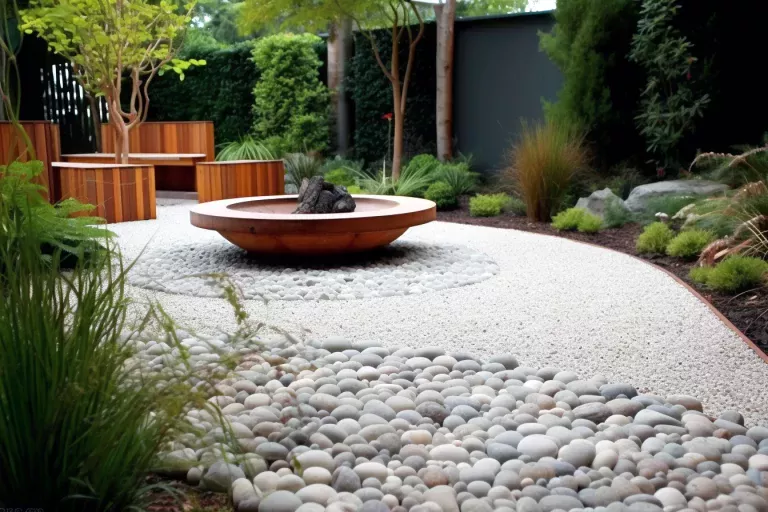
To enhance the aesthetics and functionality of your fire pit area, consider surrounding it with a gravel base. Gravel not only provides good drainage but also adds texture and visual appeal. You can choose from a variety of gravel colors and sizes to complement your outdoor decor. Additionally, placing gravel around the fire pit makes it easier to maintain and helps prevent fire-related accidents.
Sunken Fire Pits
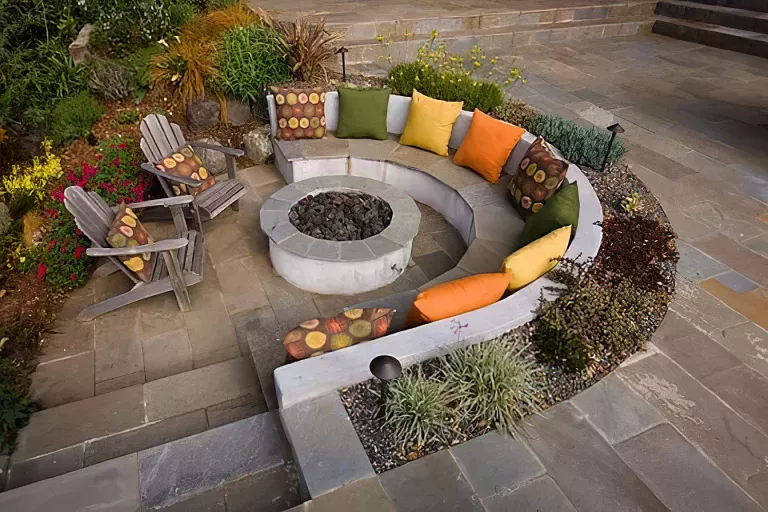
For a unique and cozy ambiance, consider creating a sunken fire pit area. This involves digging a deeper pit and surrounding it with a seating area at ground level. Sunken fire pits offer a more intimate atmosphere, as the seating area is slightly lower than the rest of the space. You can use retaining walls or built-in benches to define the sunken area and create a comfortable seating arrangement.
Fire Pit with Seating
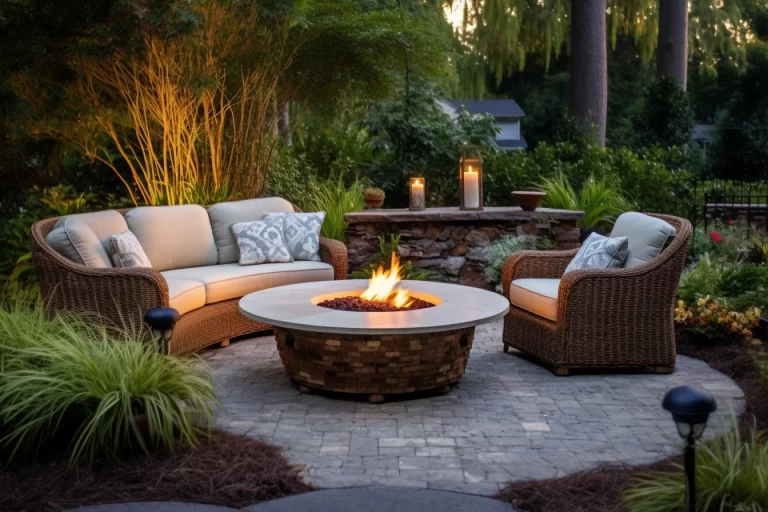
To make your fire pit area more inviting and comfortable, incorporate seating options. Chairs, benches, or outdoor sofas are popular choices for creating a relaxed atmosphere. Arrange the seating around the fire pit, allowing enough space for movement and ensuring everyone can enjoy the warmth and glow of the fire. Add cushions and blankets to make the seating area cozy and inviting.
Landscape Fire Pit
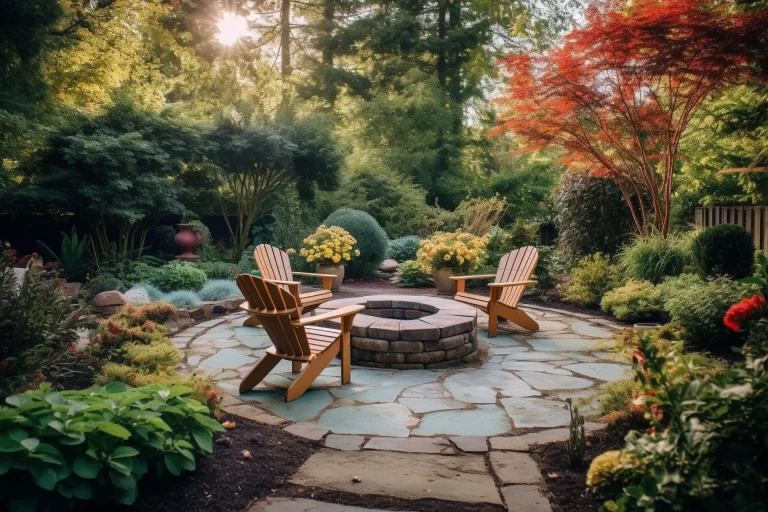
Integrating your fire pit area seamlessly with the landscape is key to achieving a harmonious outdoor design. Consider incorporating natural elements such as plants, shrubs, and flowers around the fire pit area. Use landscaping techniques to create visual interest and define the space. For example, you can add decorative rocks, stepping stones, or low-maintenance ground covers to complement the overall aesthetic.
Outdoor Living Space with a Fire Pit
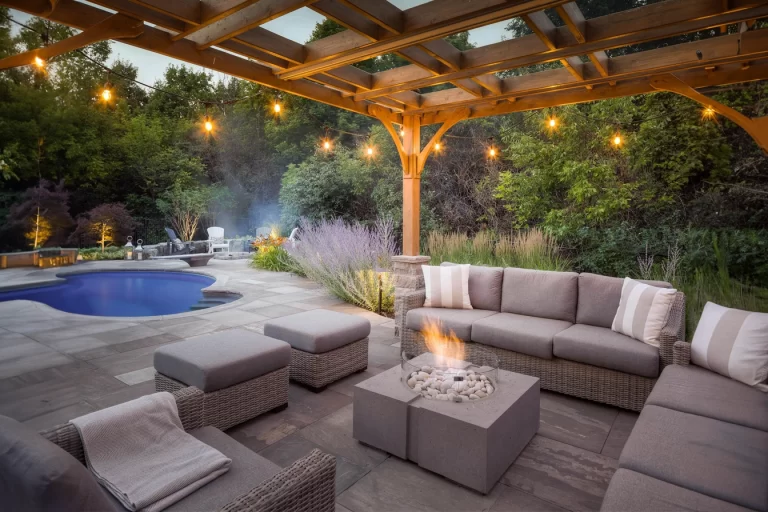
For a more elaborate fire pit area, you can create an outdoor living space complete with seating, dining areas, and even a pergola. A pergola provides shade and adds architectural interest to the space. You can incorporate a fire pit within the center of the pergola, creating a cozy and sheltered area. This setup allows for year-round enjoyment of your outdoor space, even during cooler evenings.
Various Designs and Styles of Fire Pits
Fire pits, also known as fire bowls or fireplaces, come in various designs and styles. Here are some common types of fire pits:
Wood-Burning Fire Pits:
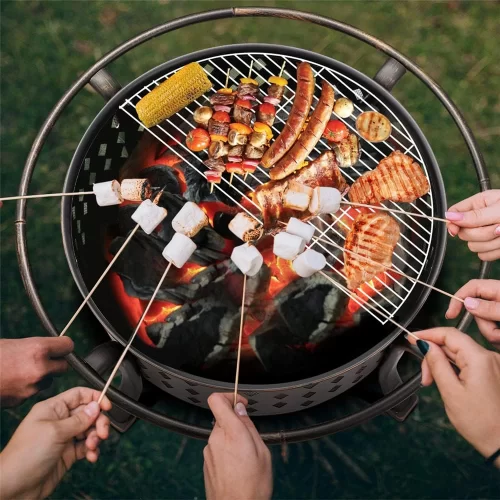
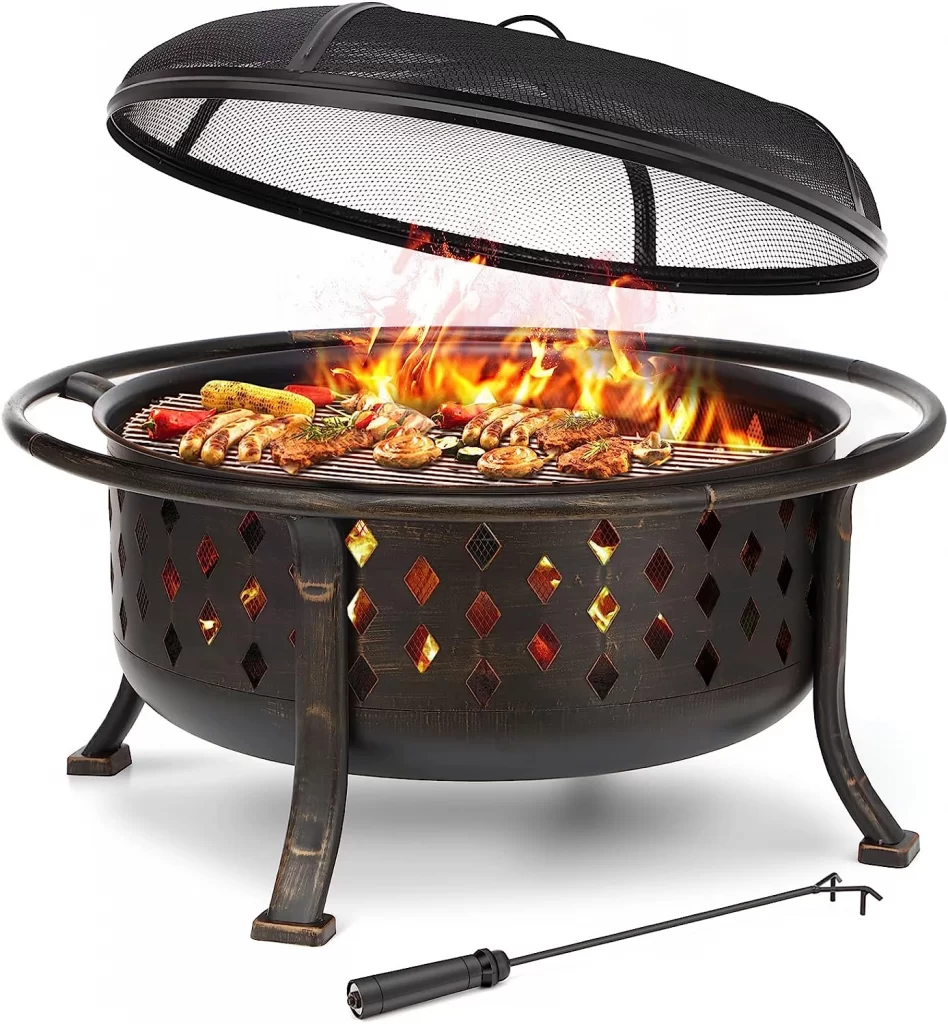
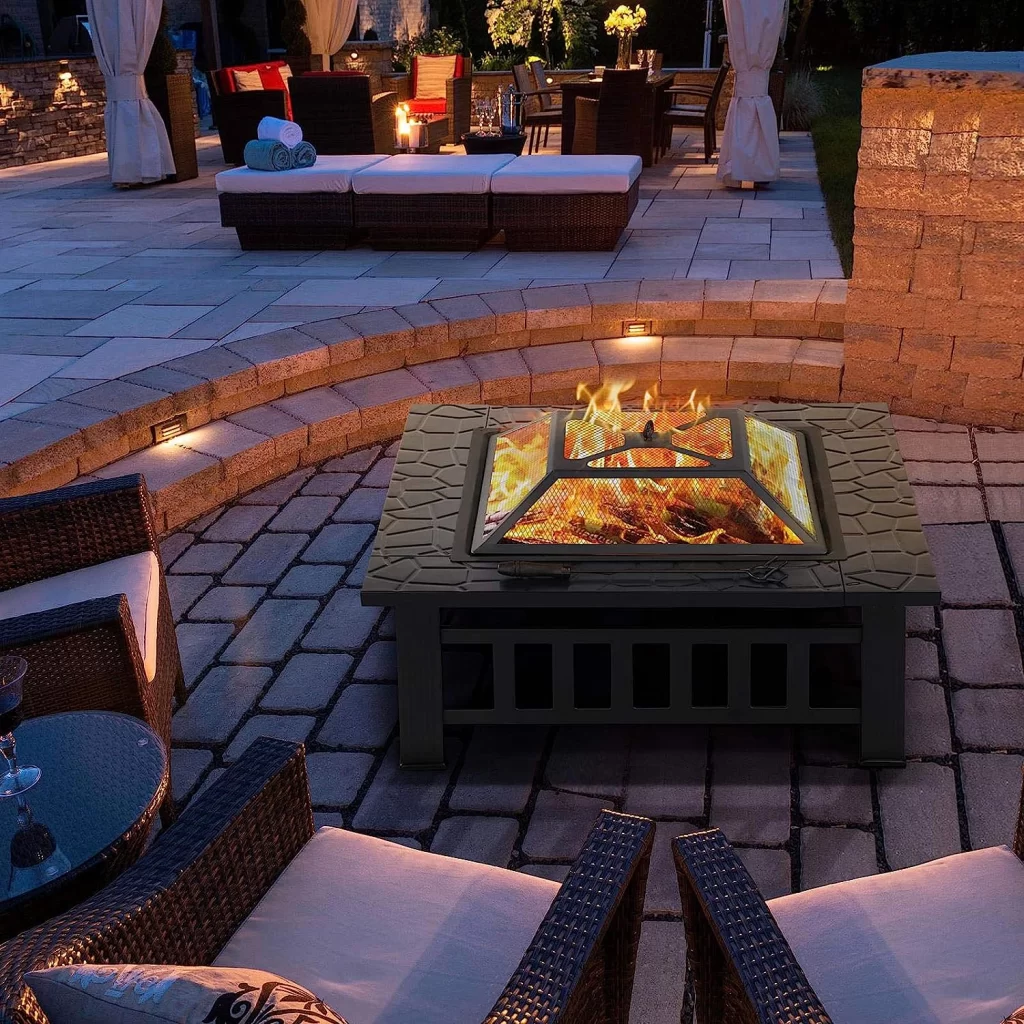
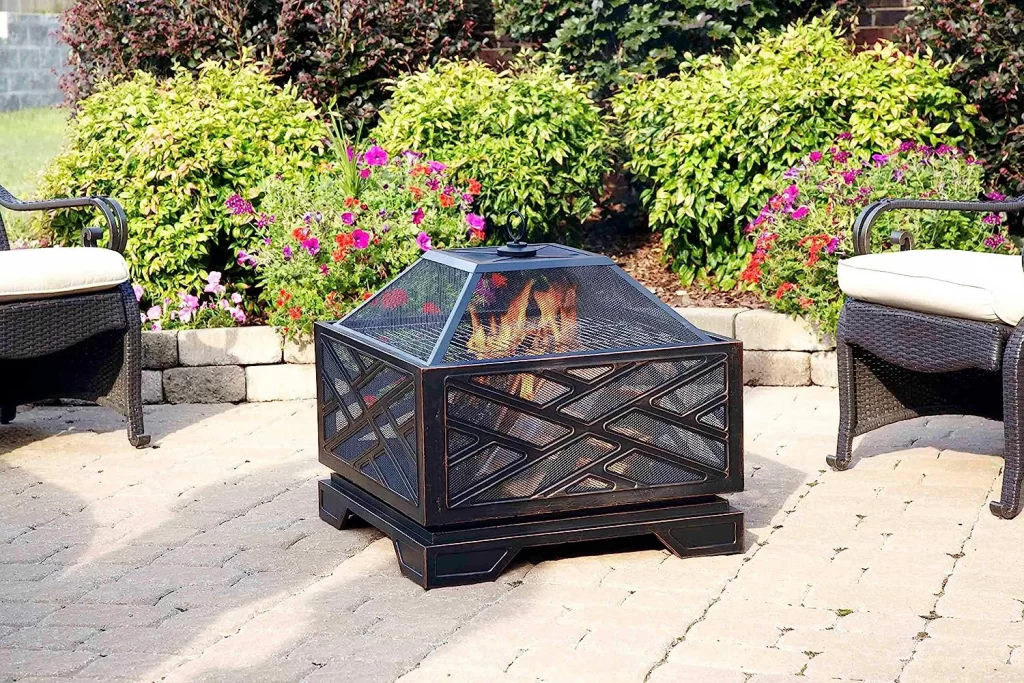
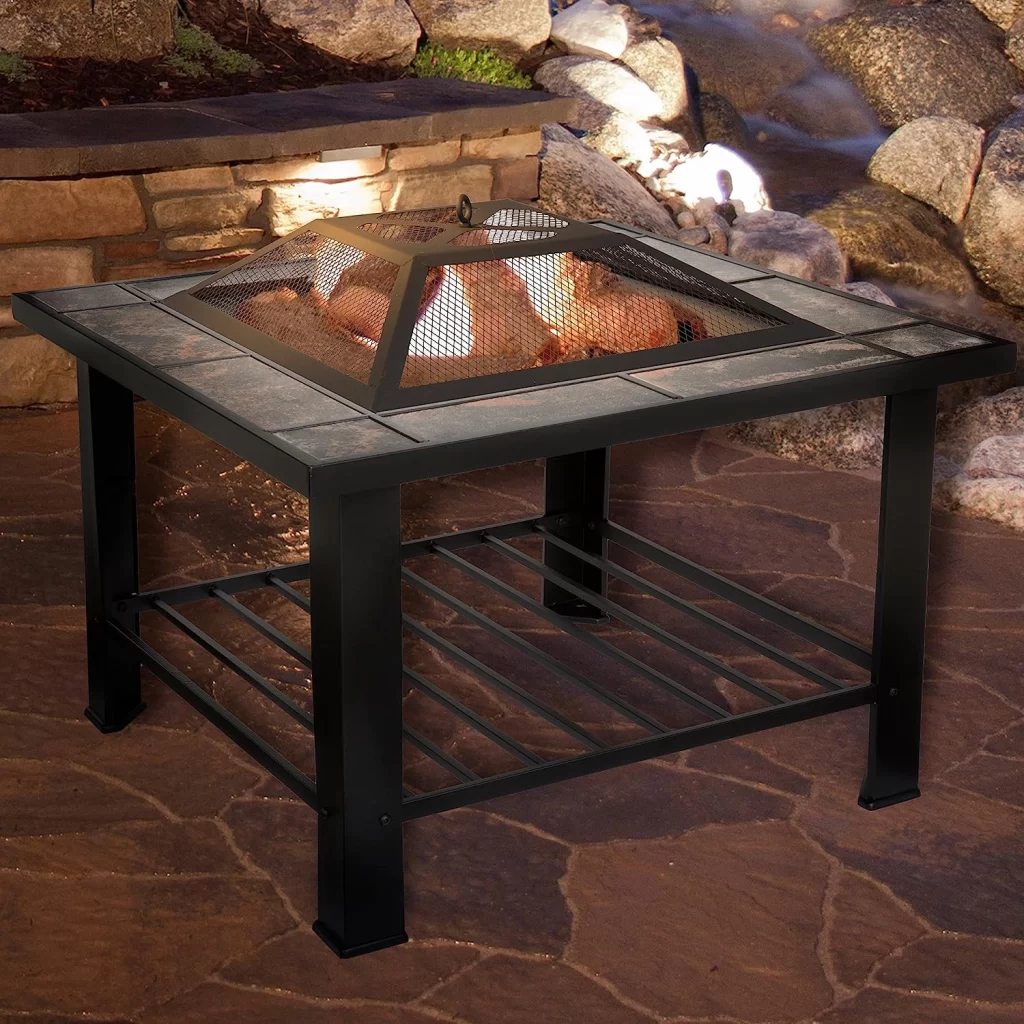
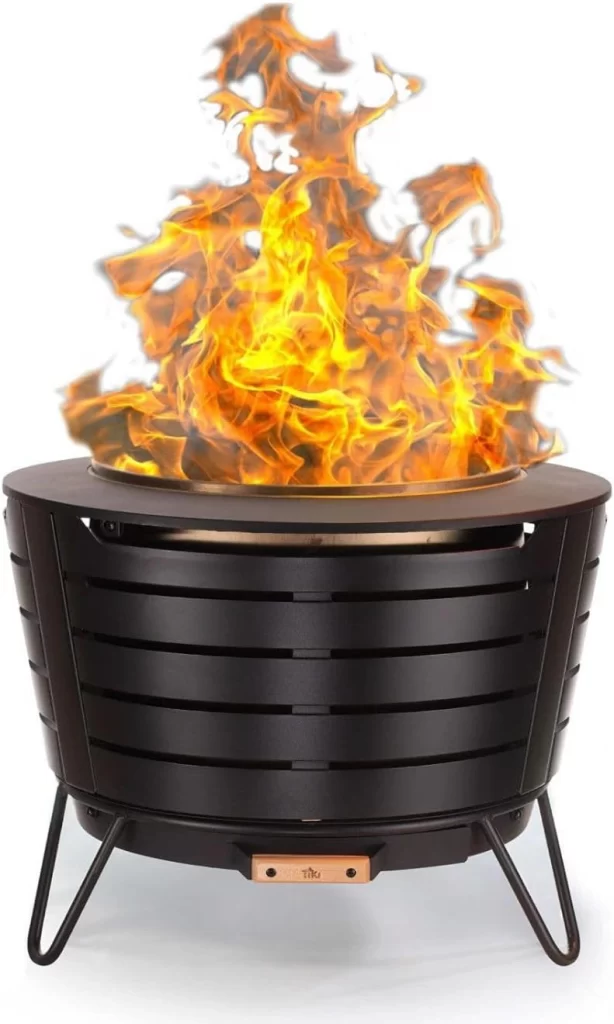
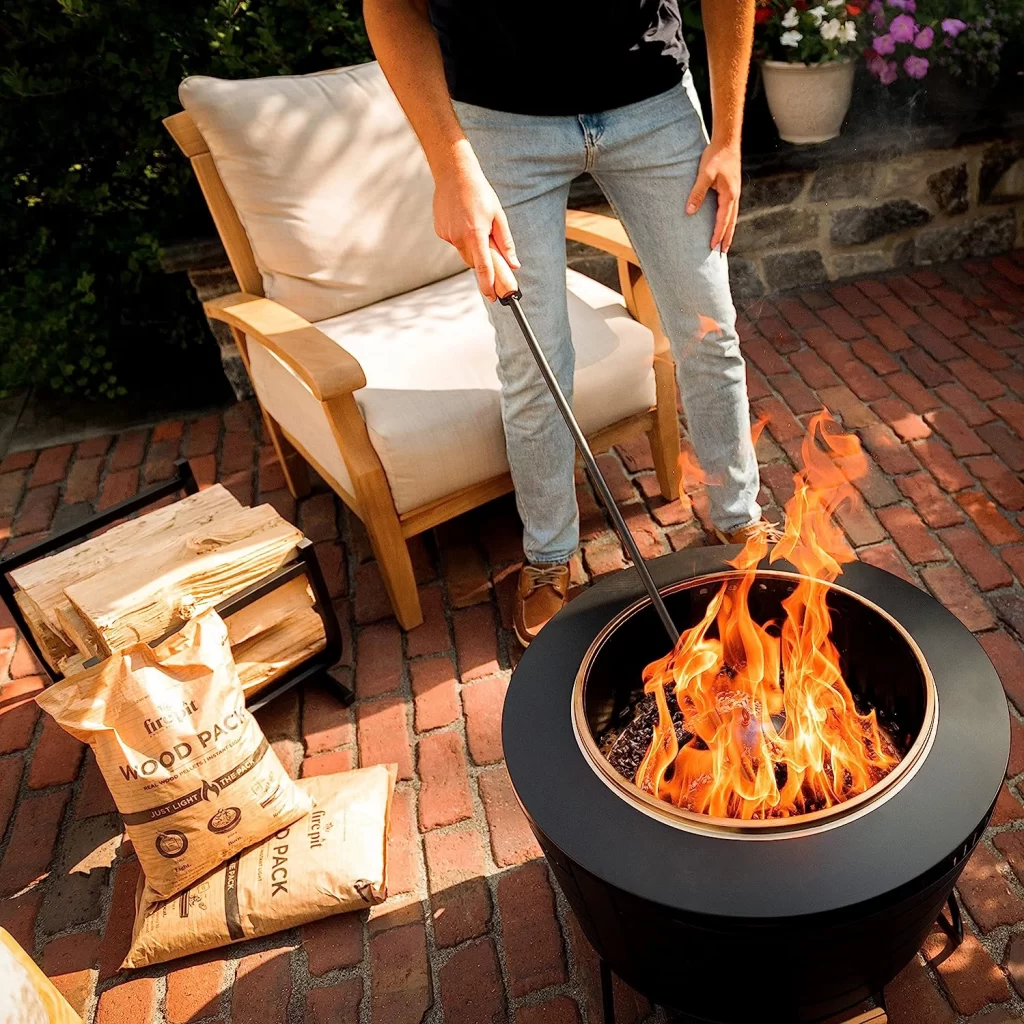
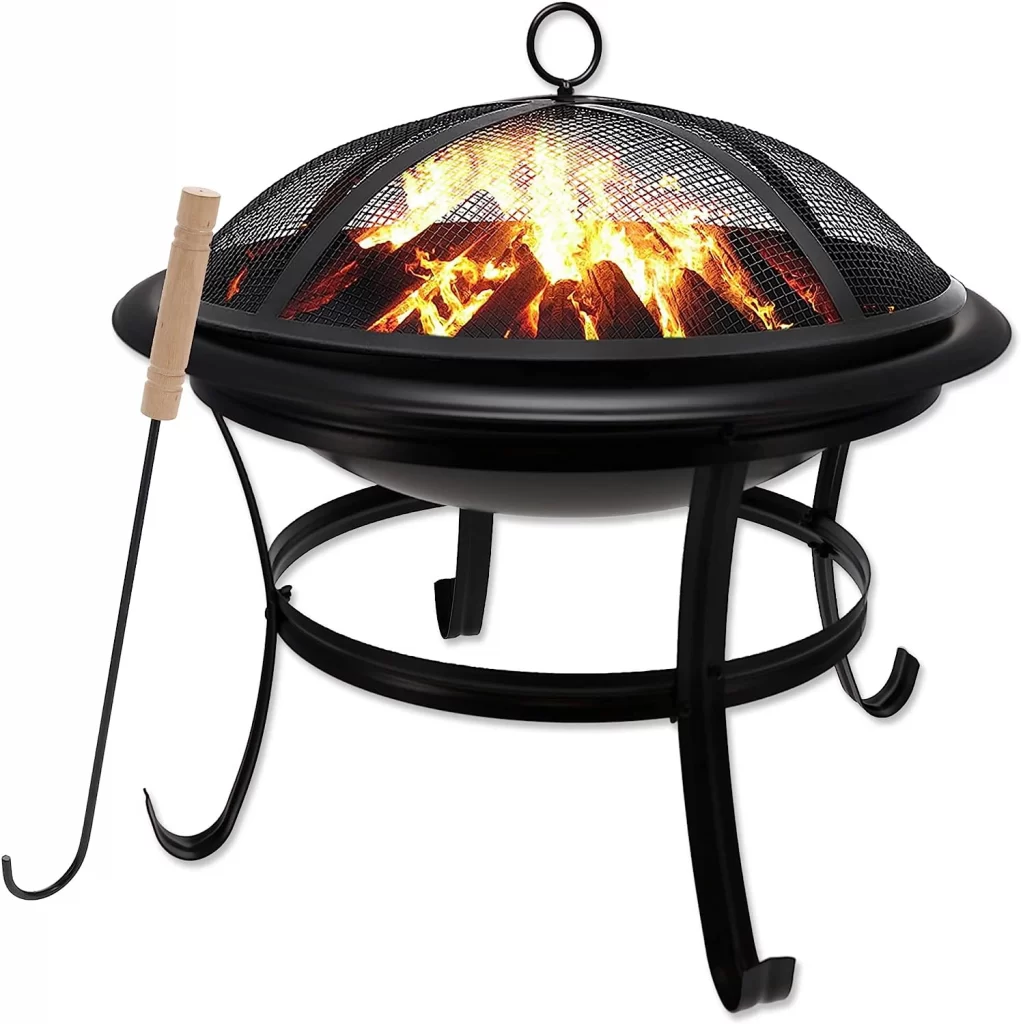
These are traditional fire pits that use wood as fuel. They often have a deep bowl or pit where the fire is built, and they may have a mesh screen or protective cover to prevent sparks from flying out.
Gas Fire Pits:
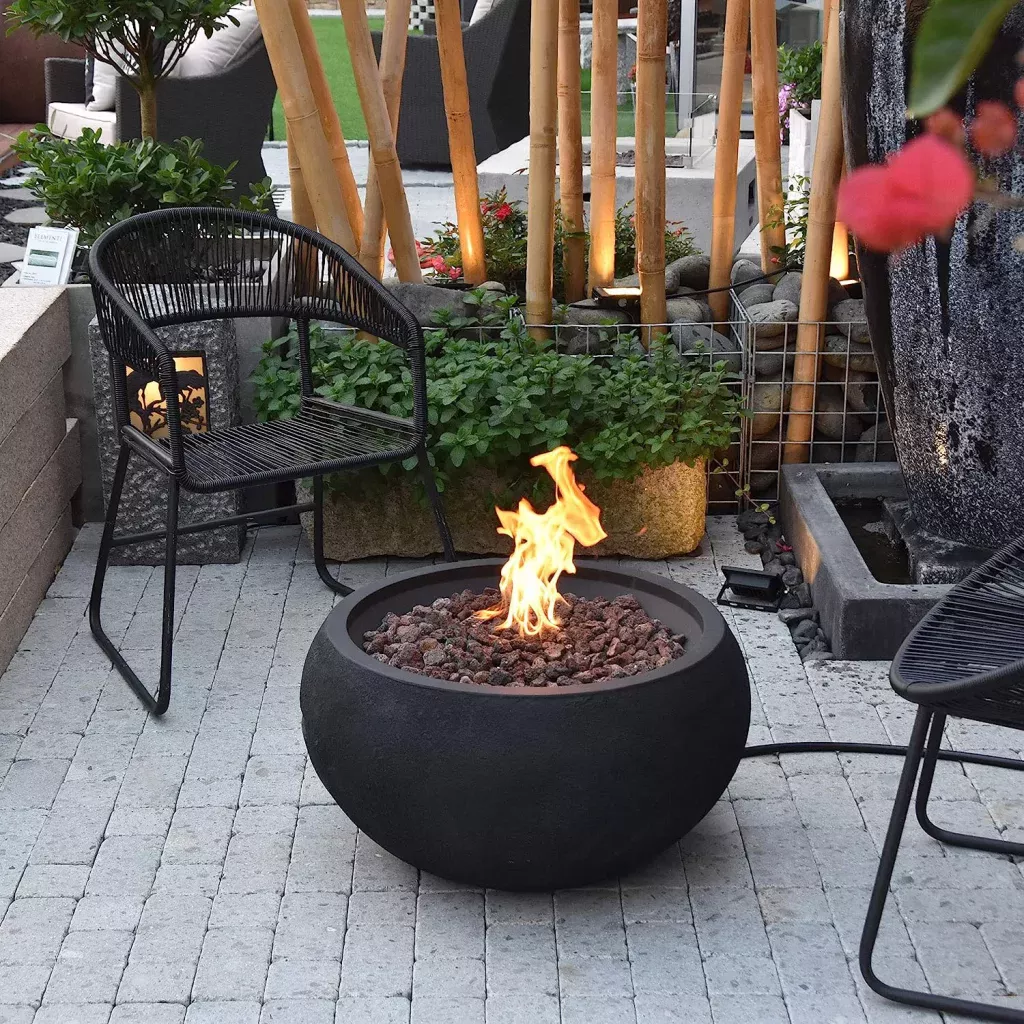
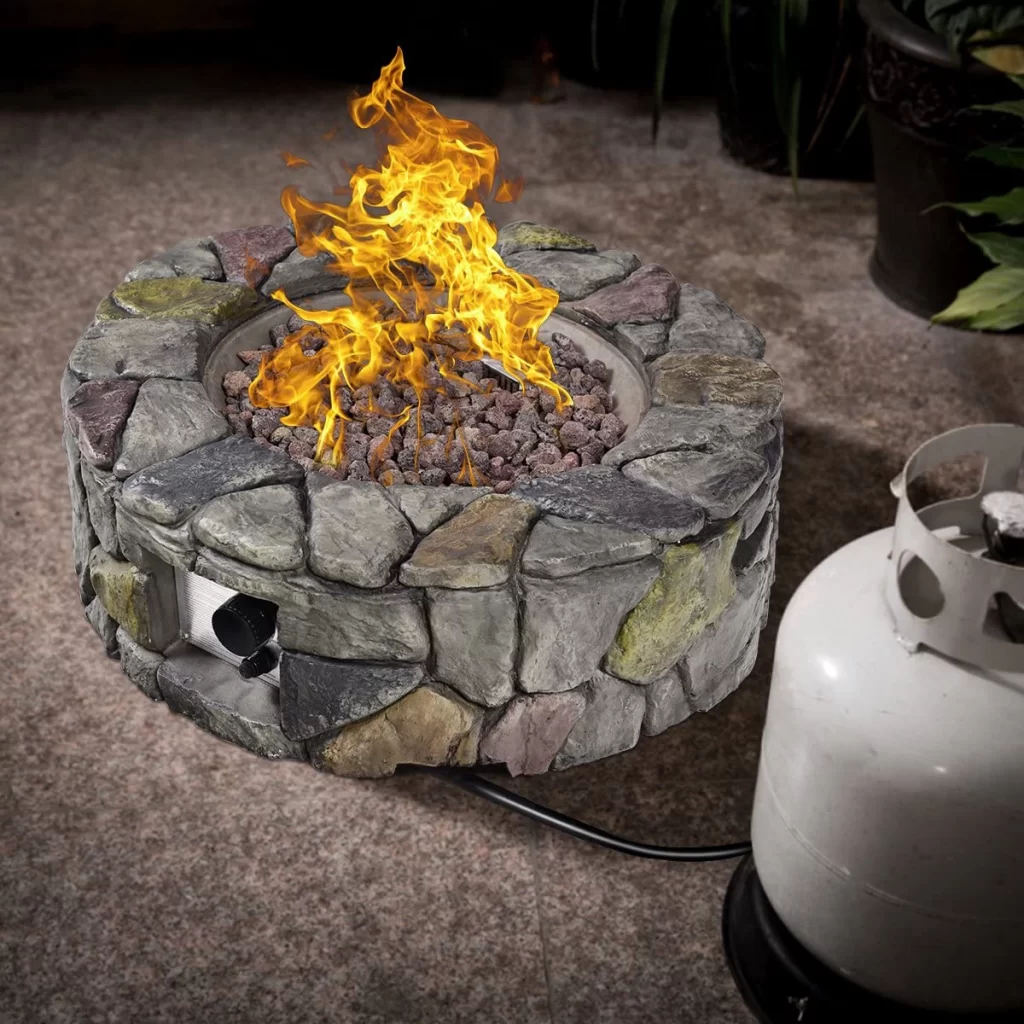
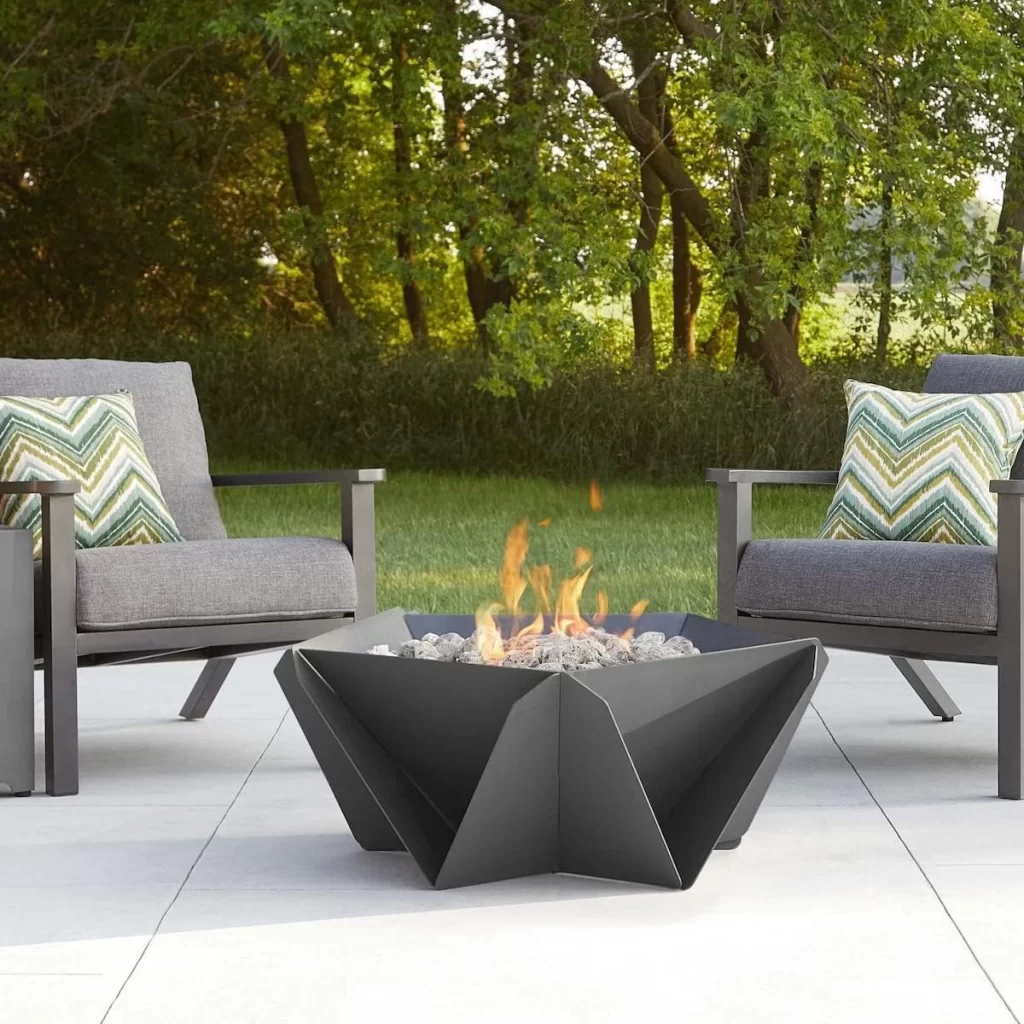
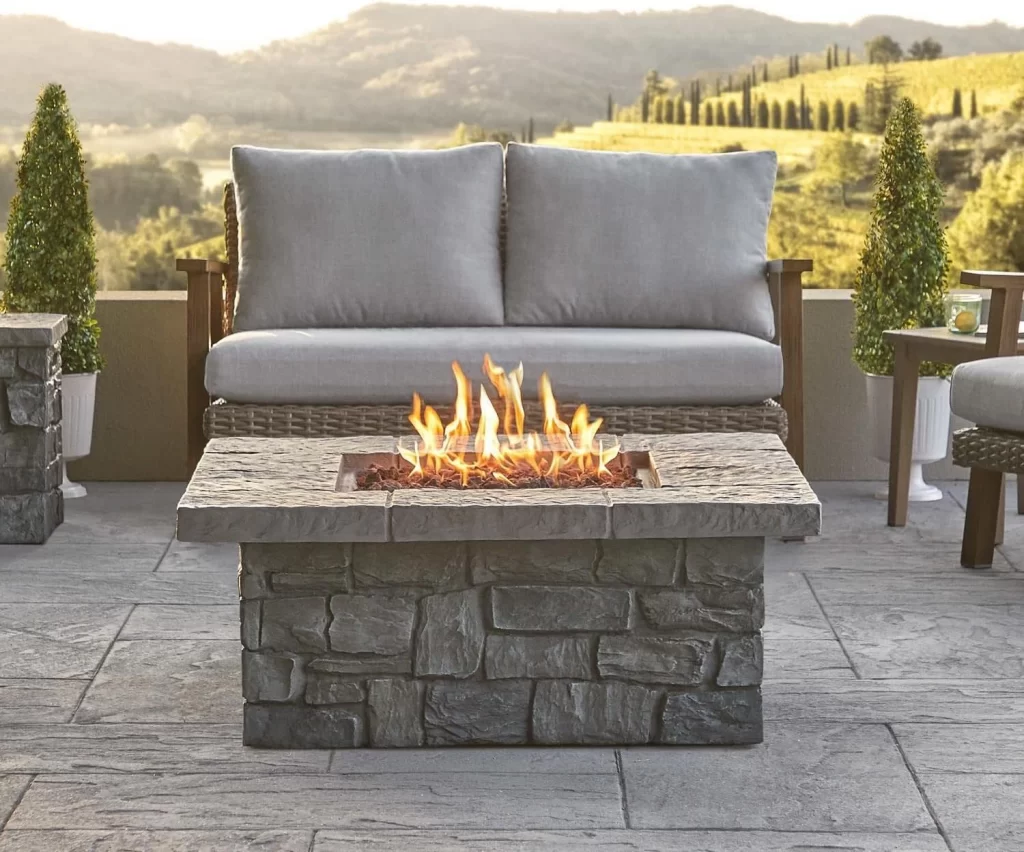
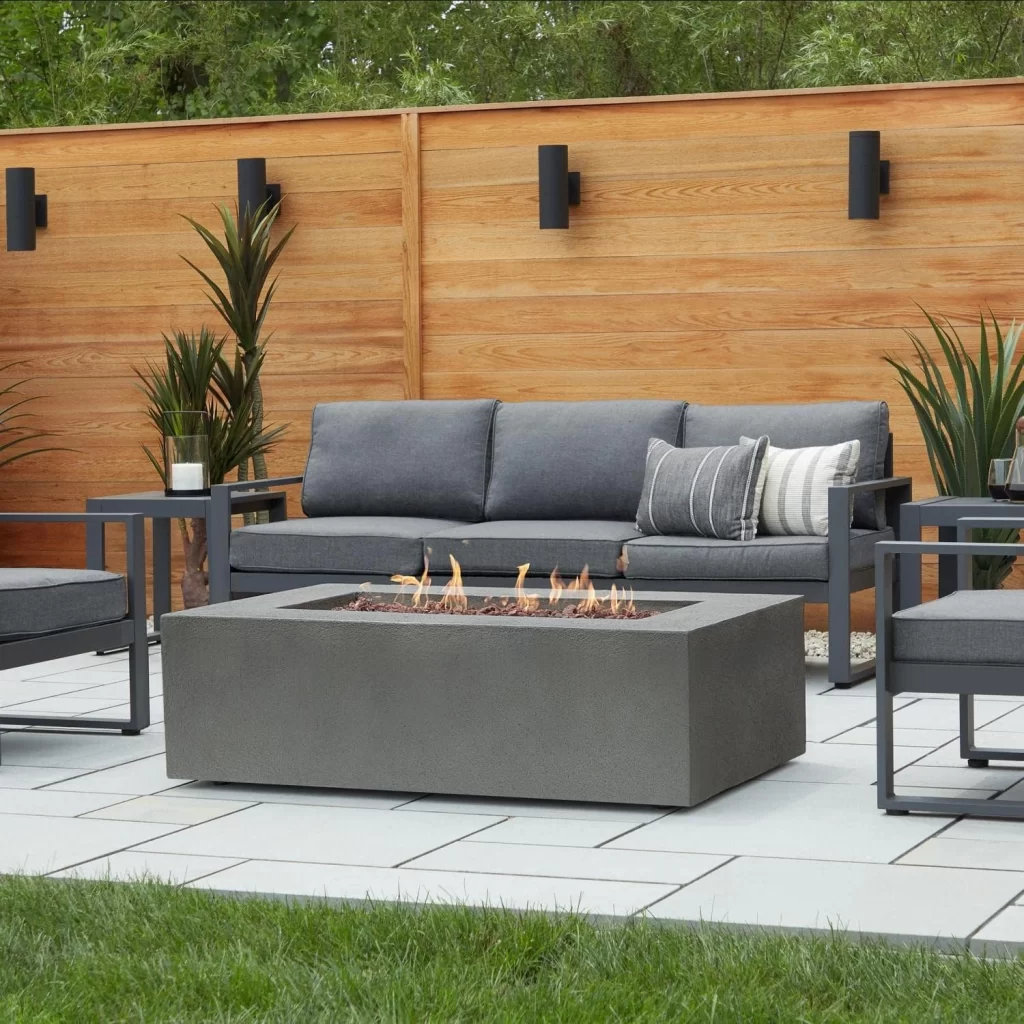
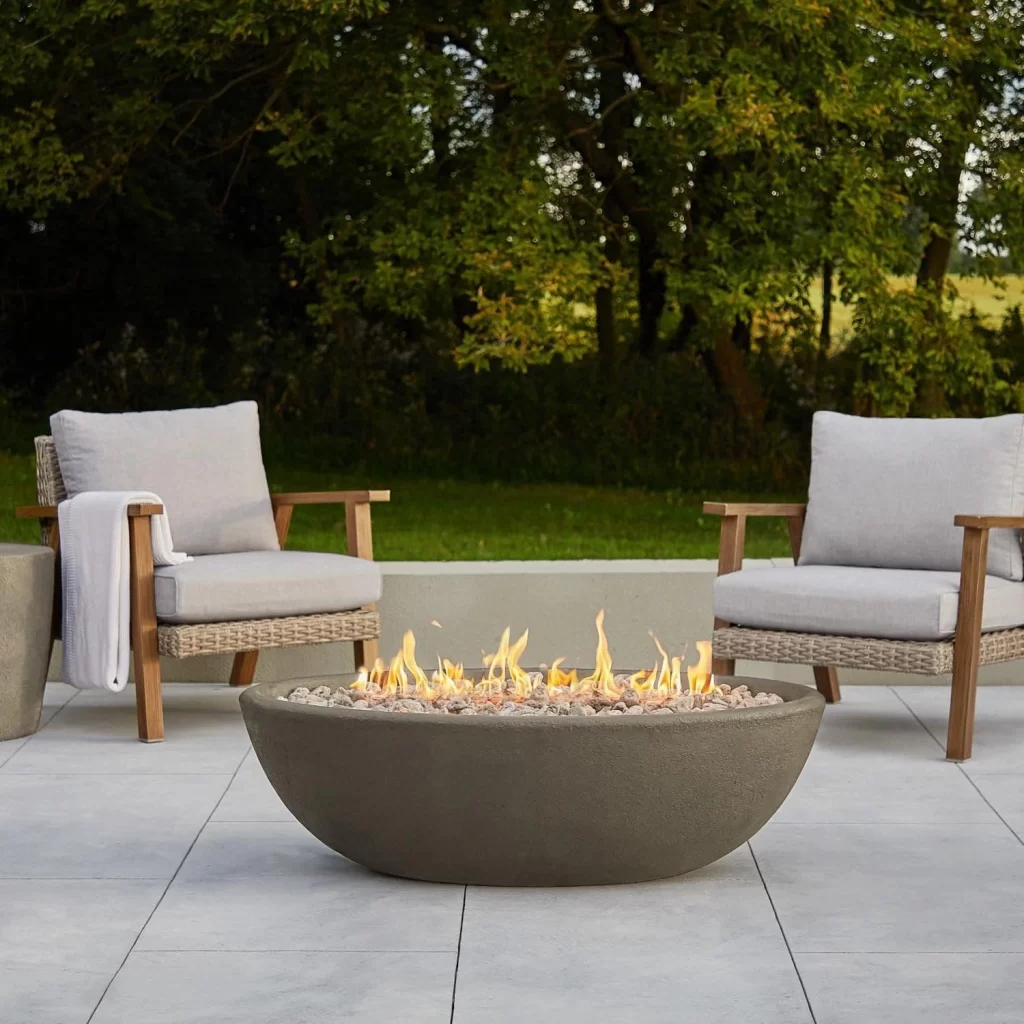
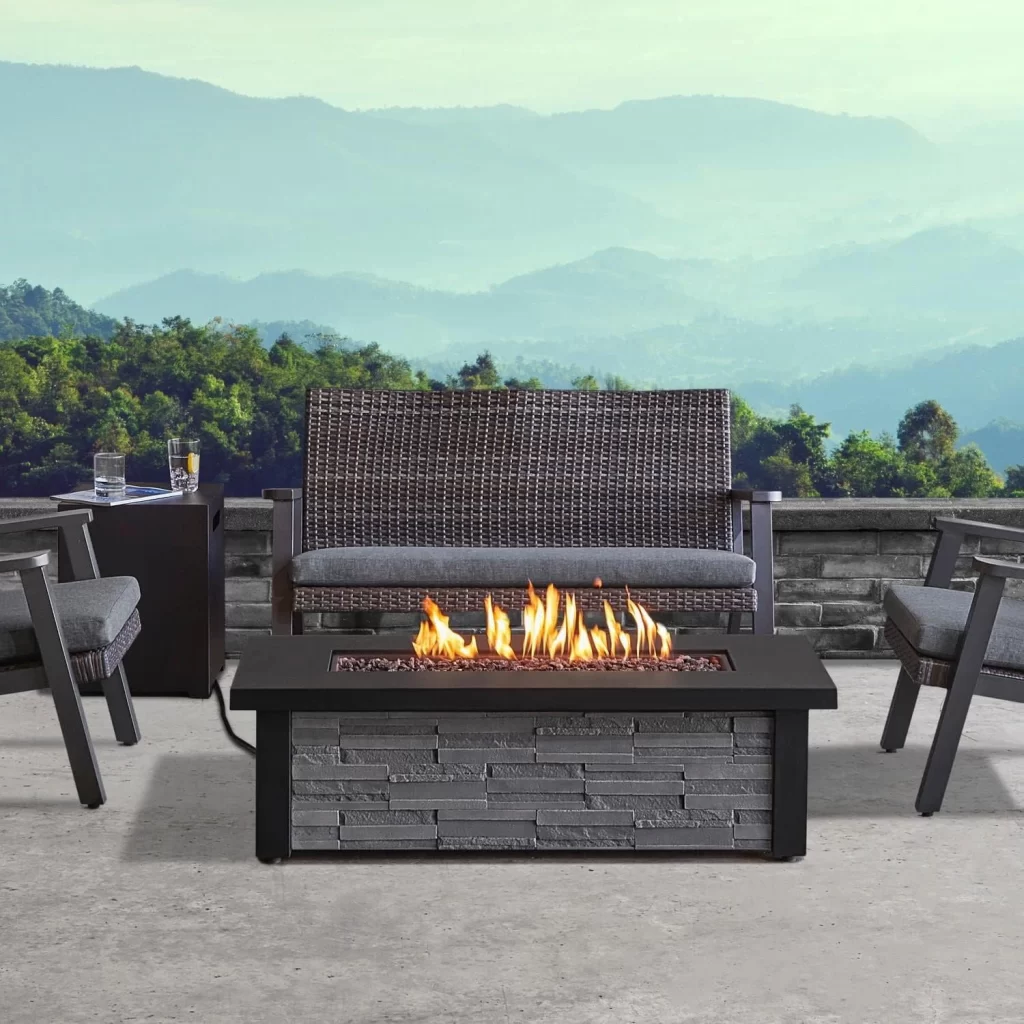

Gas fire pits are fueled by propane or natural gas and offer a convenient and clean-burning alternative to wood-burning fire pits. They usually have a burner mechanism that produces flames and may come with decorative elements like lava rocks or glass beads.
Portable Fire Pits:
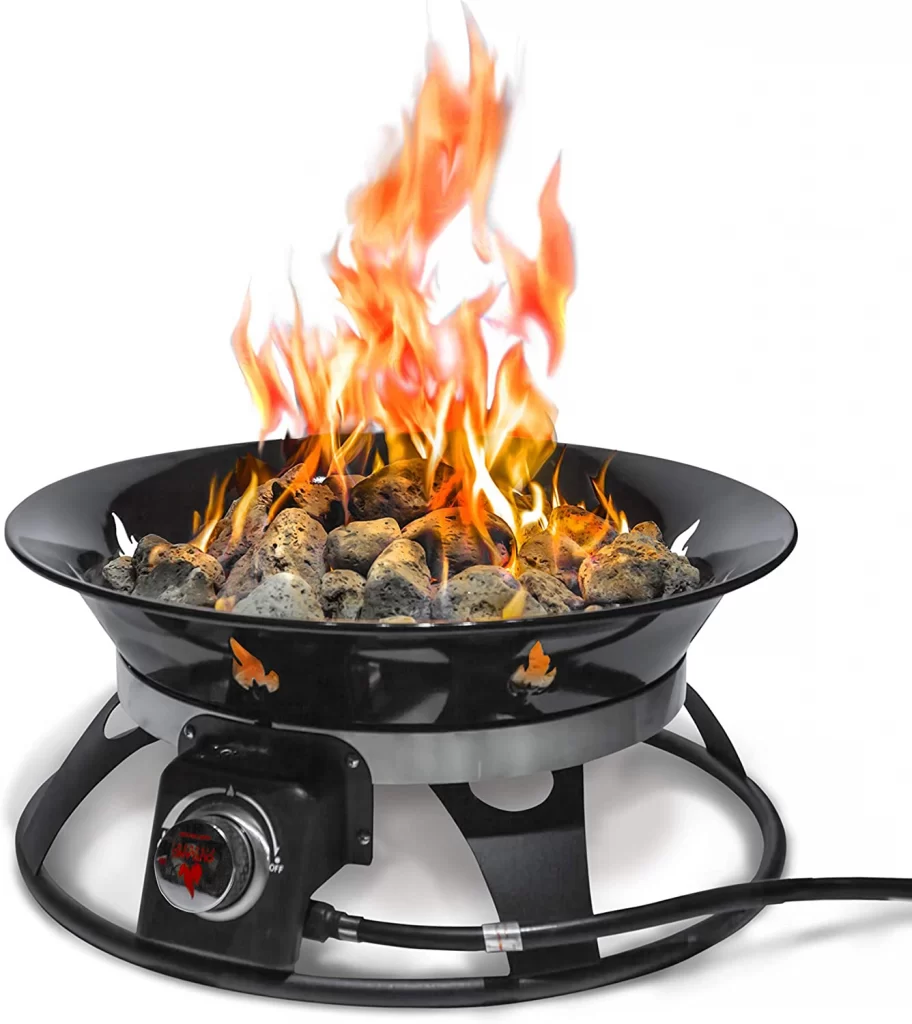
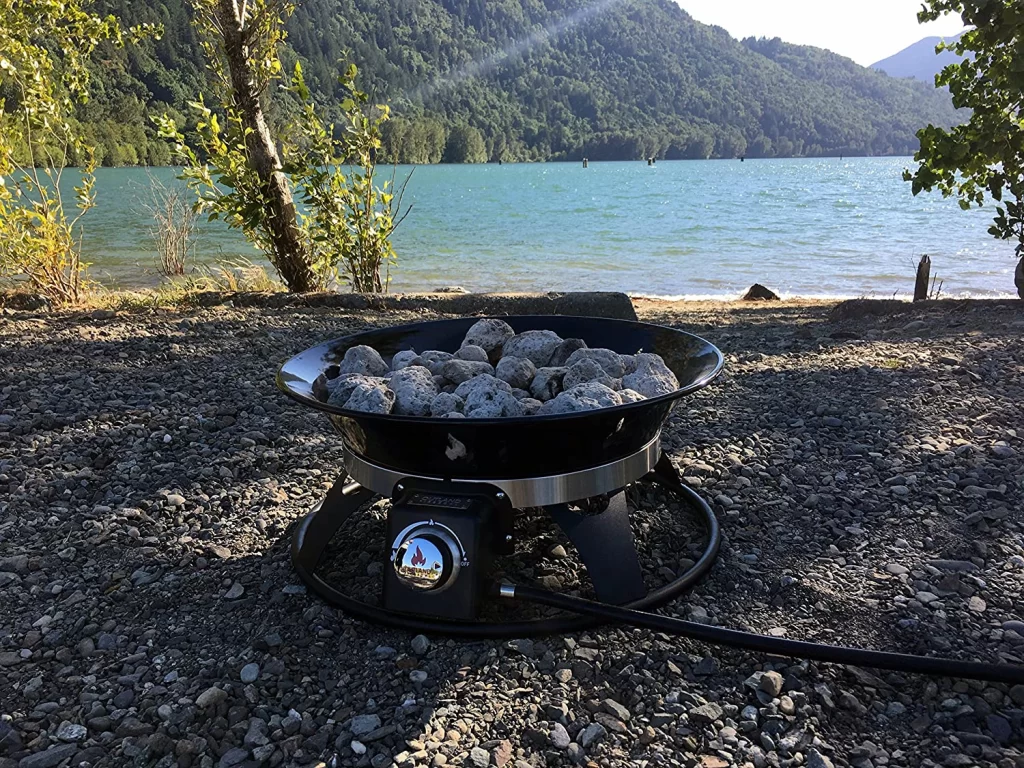
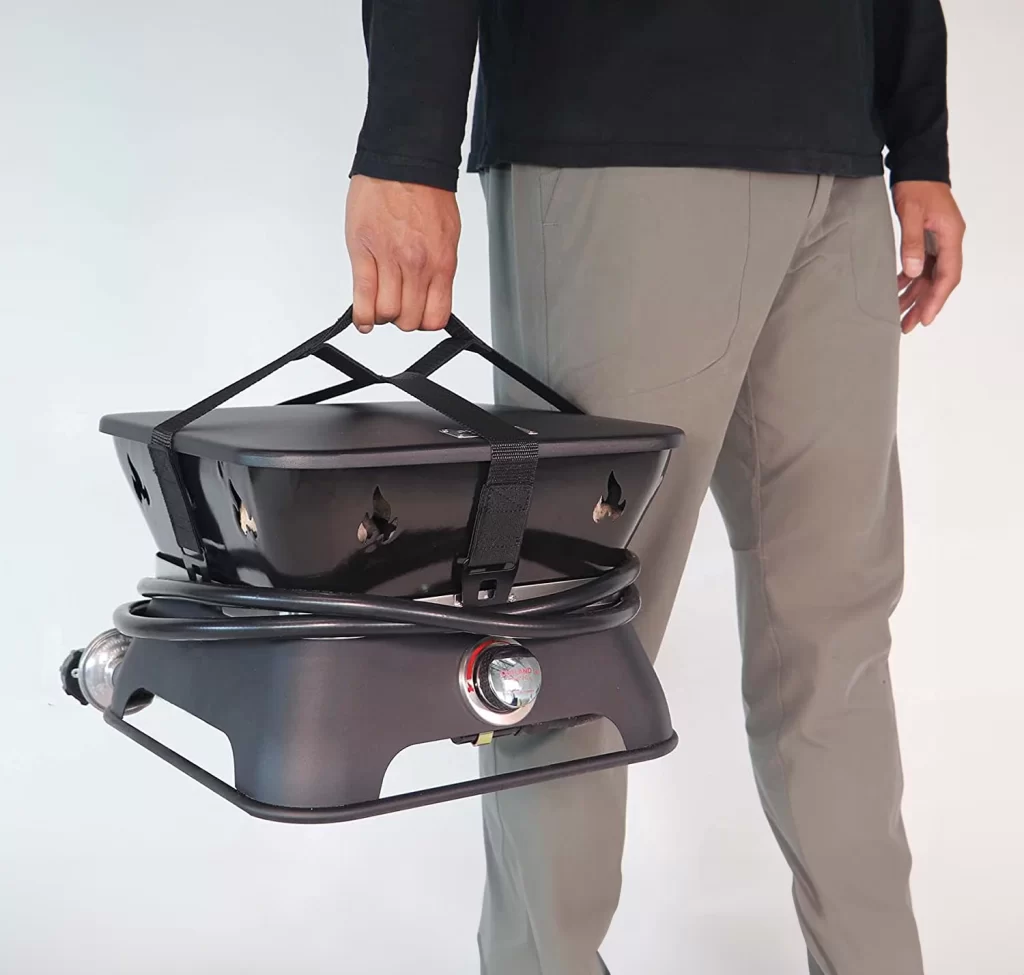
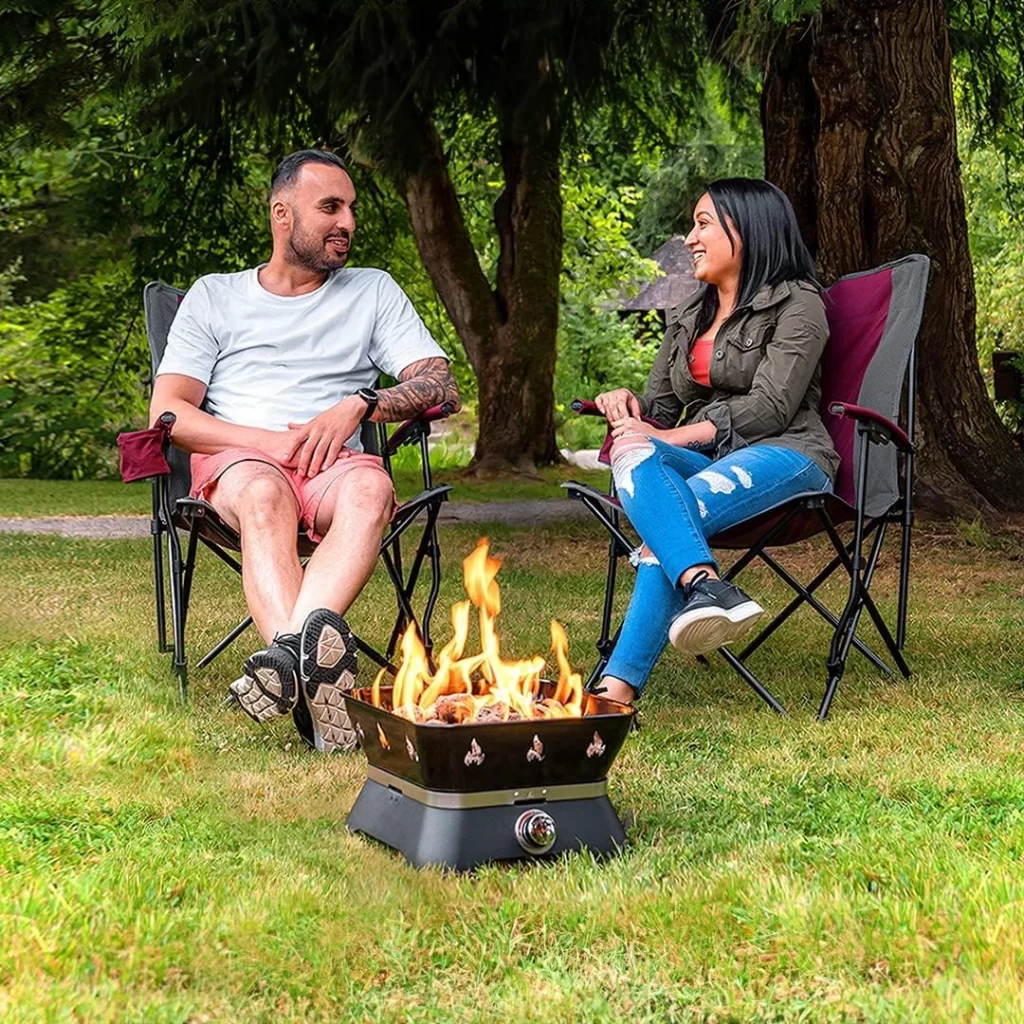
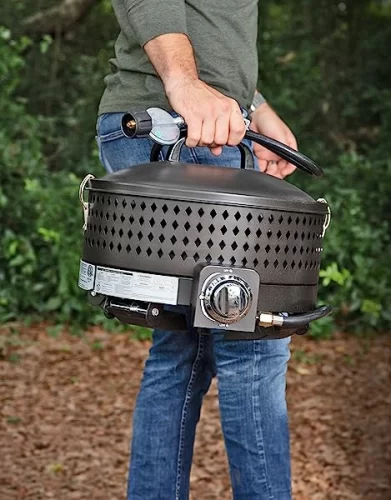
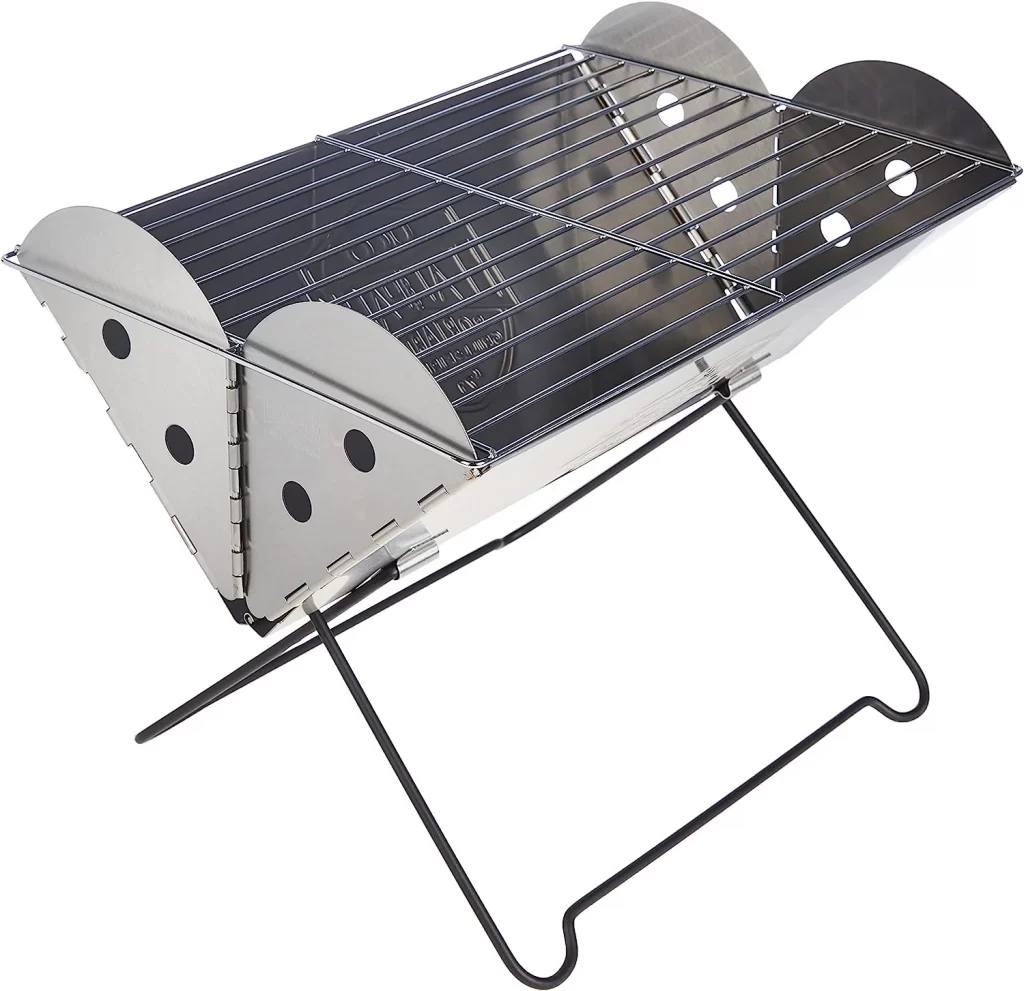
Portable fire pits are designed to be easily moved and set up in different locations. They can be wood-burning or gas-powered and come in various sizes and styles, including compact and lightweight options for camping or outdoor activities.
Tabletop Fire Pits:
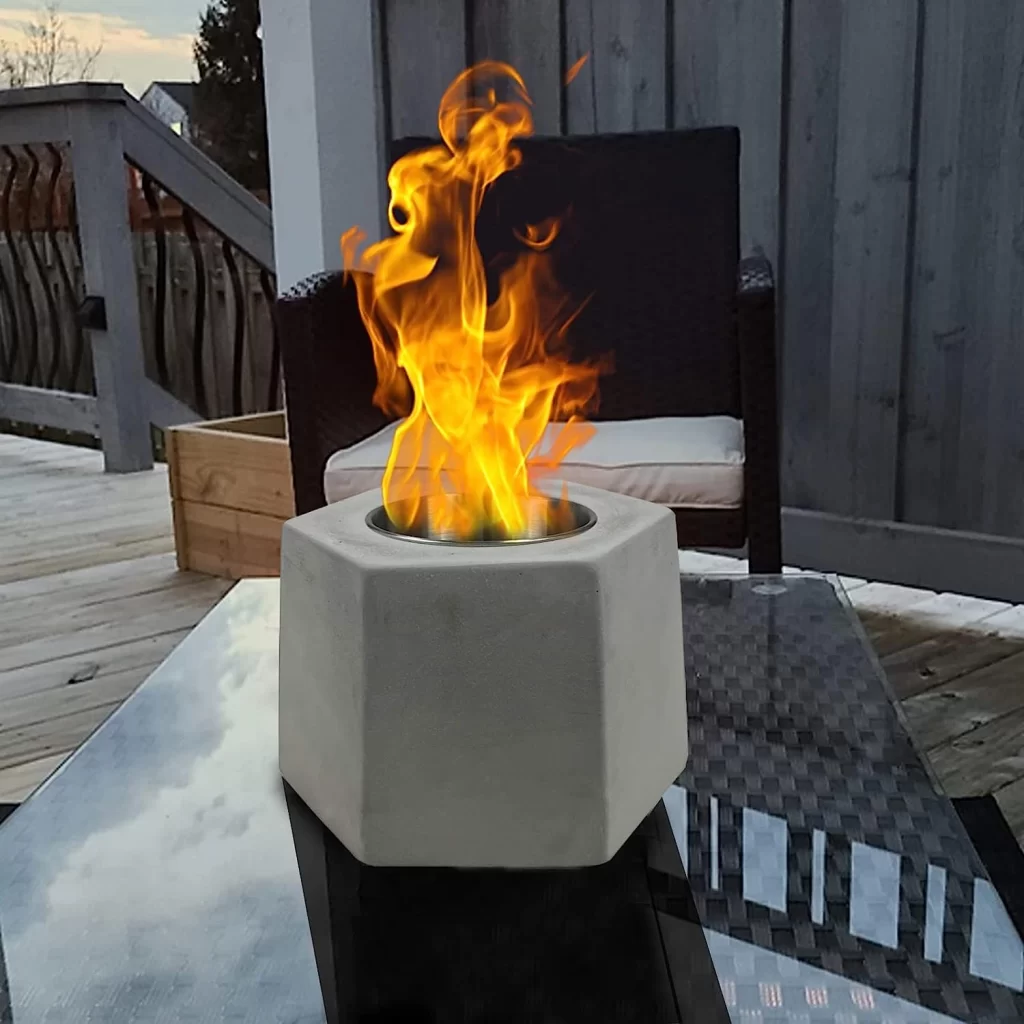

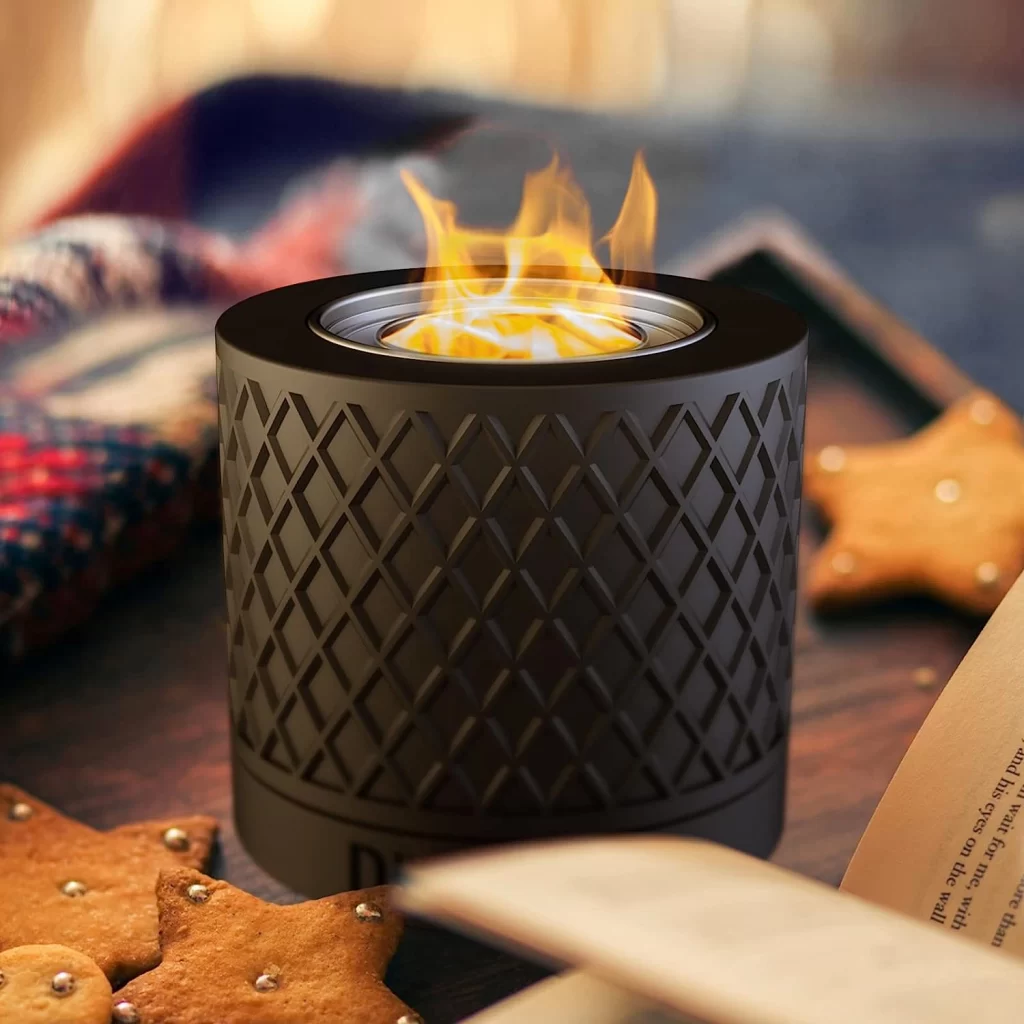
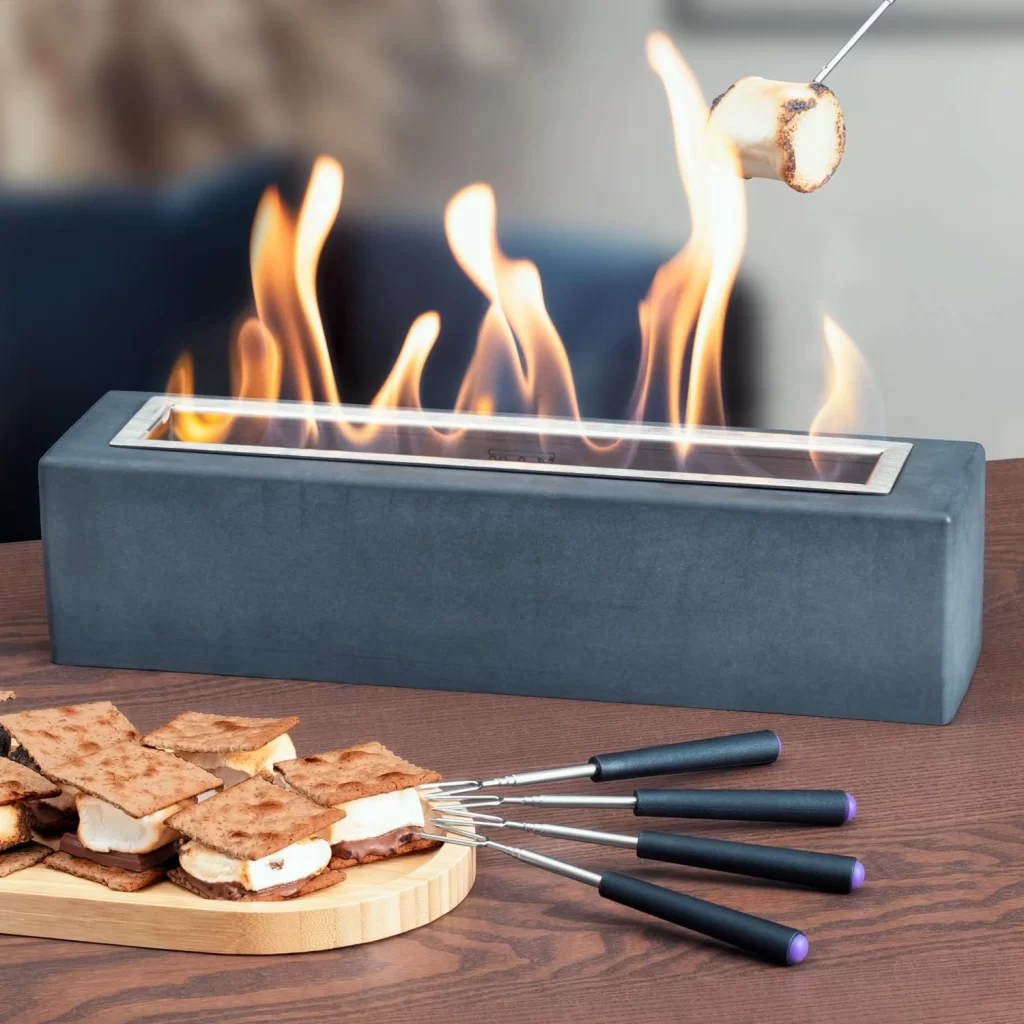
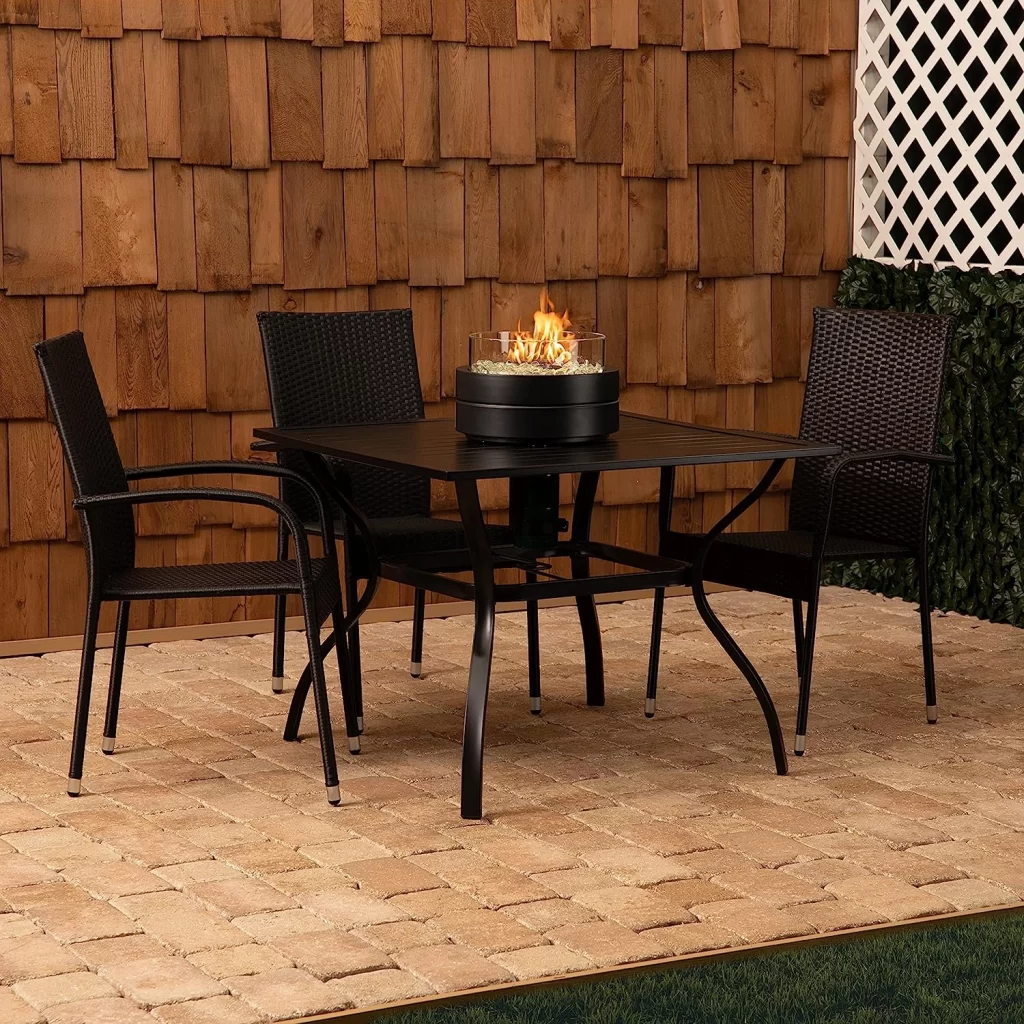
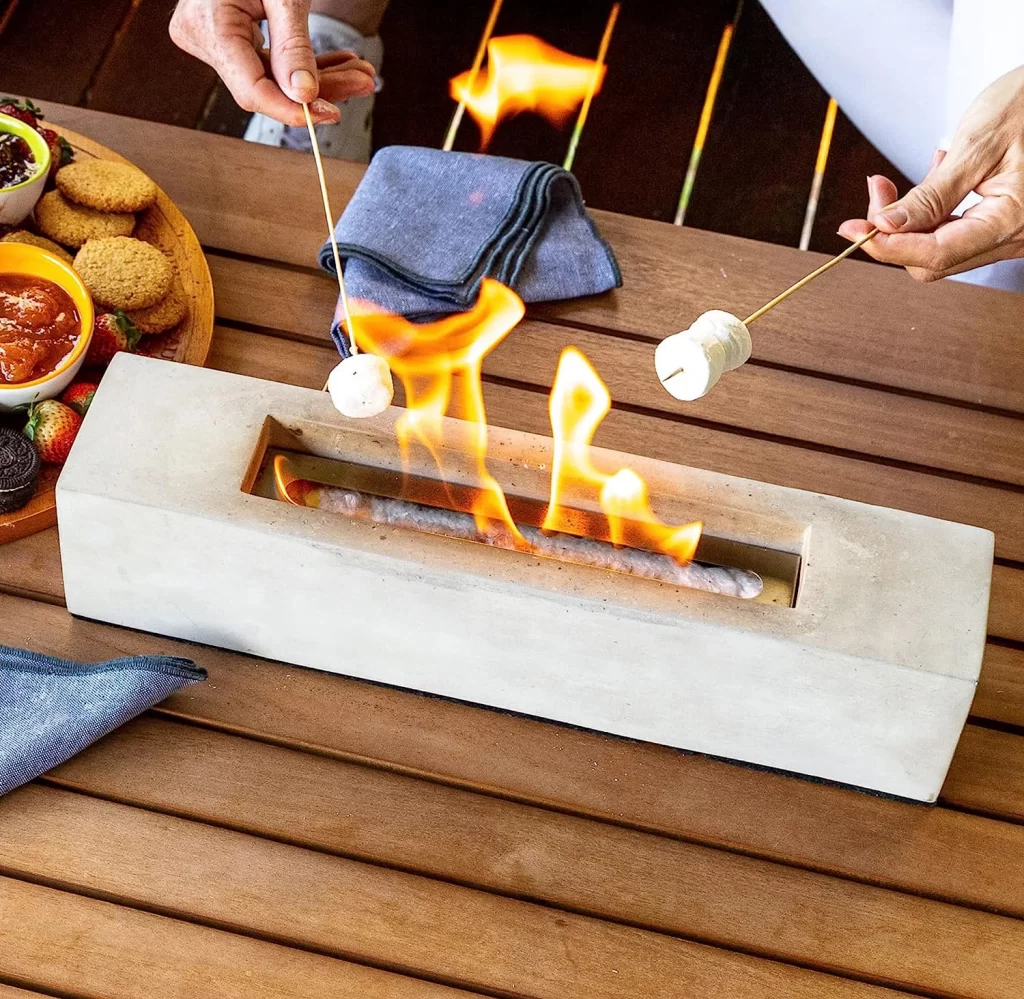
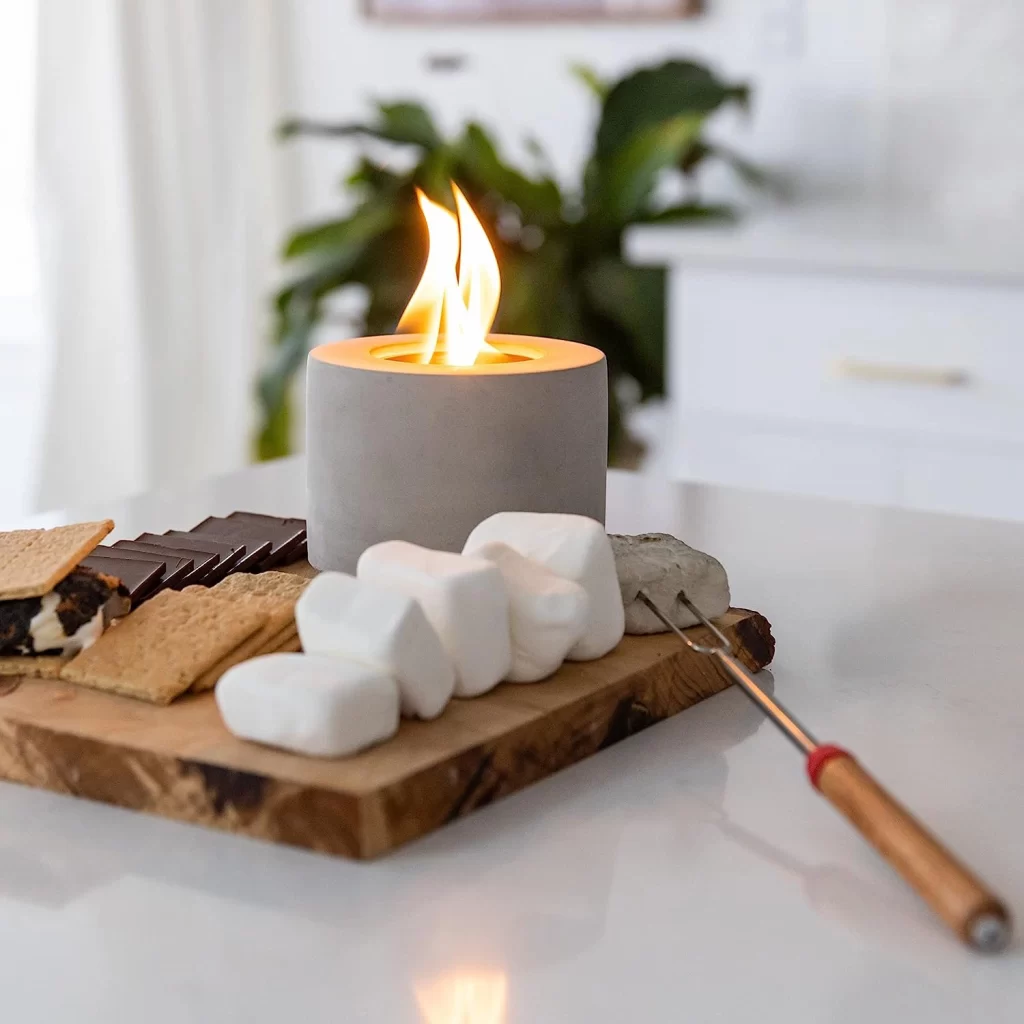
These are smaller fire pits that can be placed on a tabletop or any stable surface. They often use ethanol or gel fuel and provide a cozy ambiance for outdoor dining or gatherings.
Fire Pit Tables:
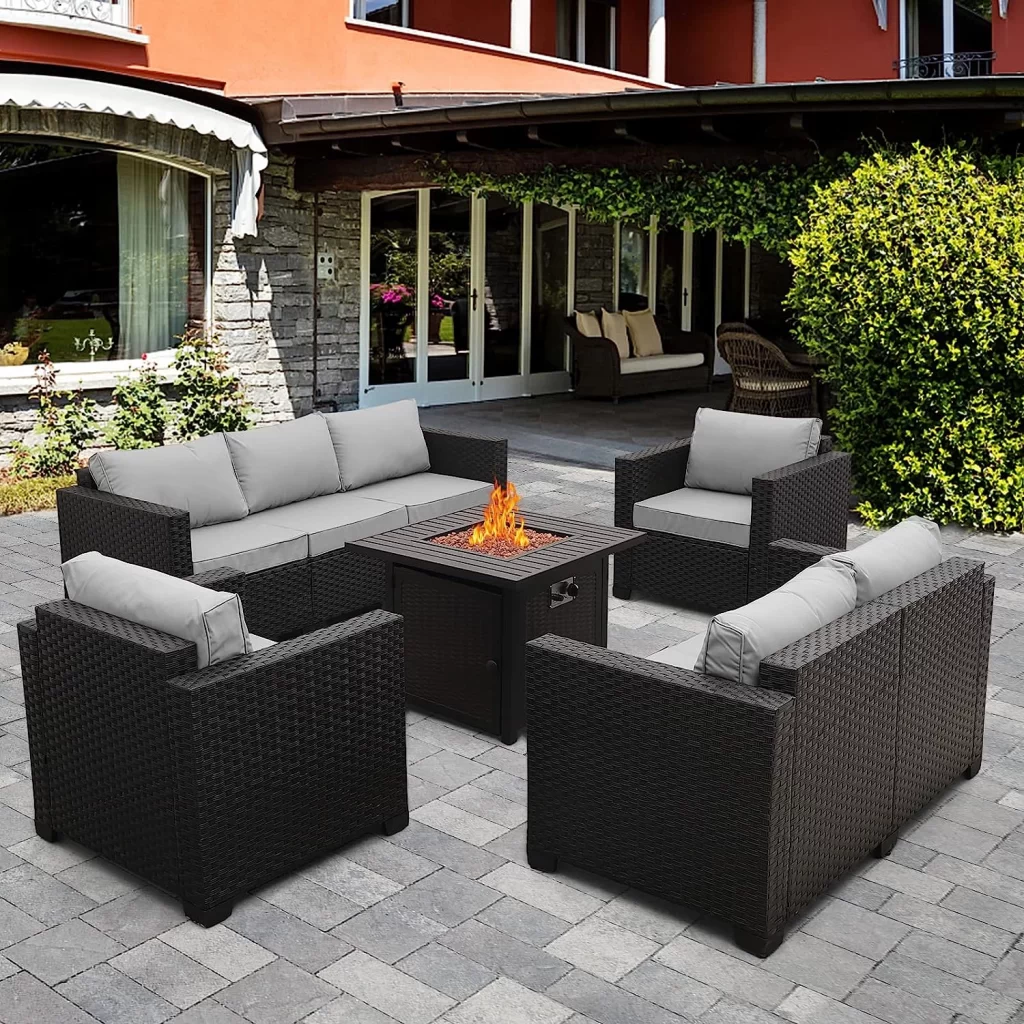
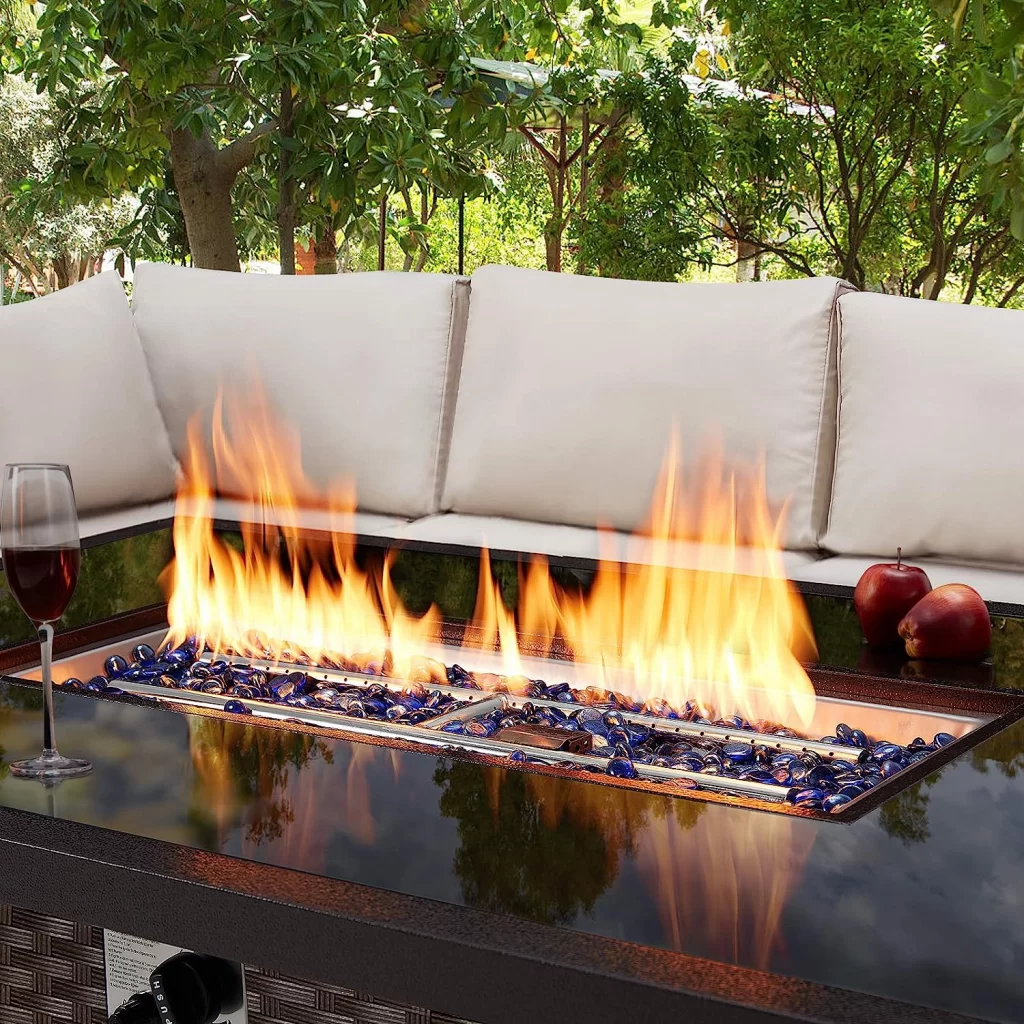
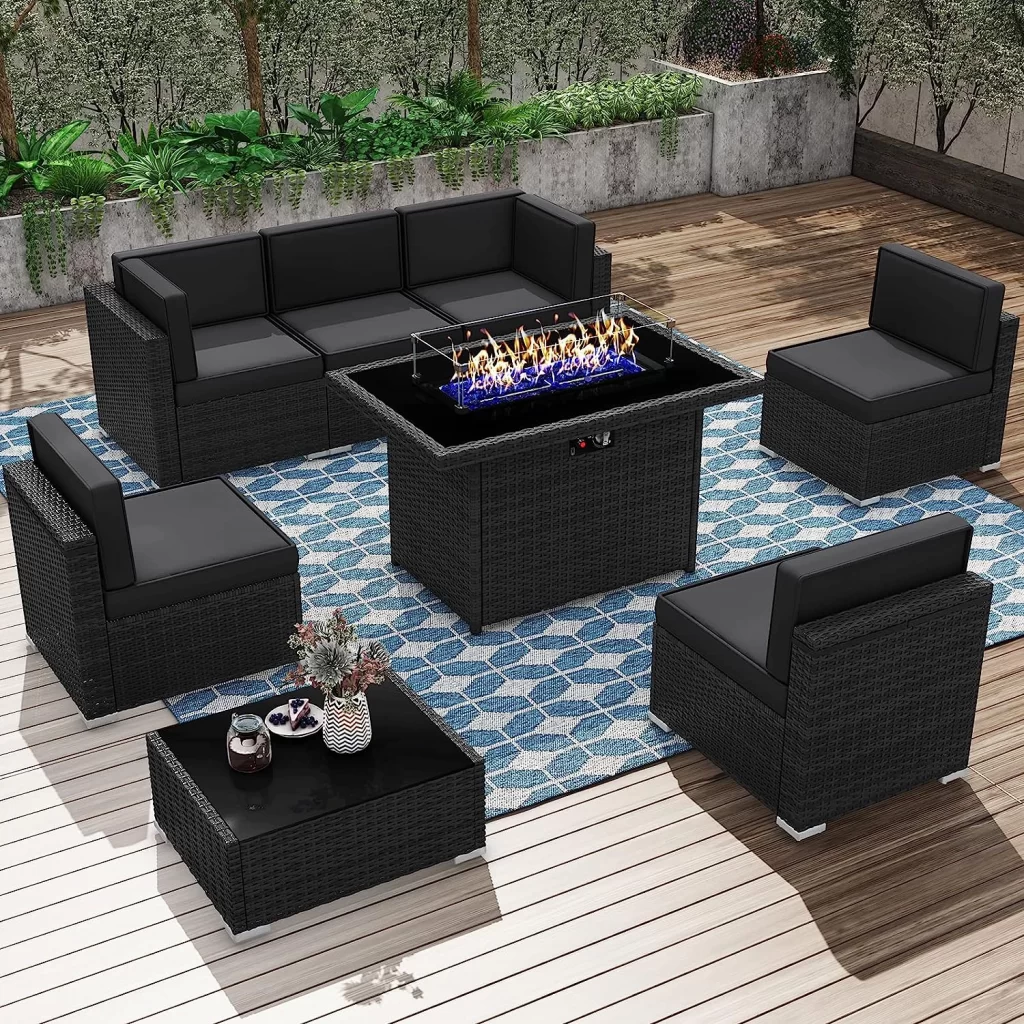
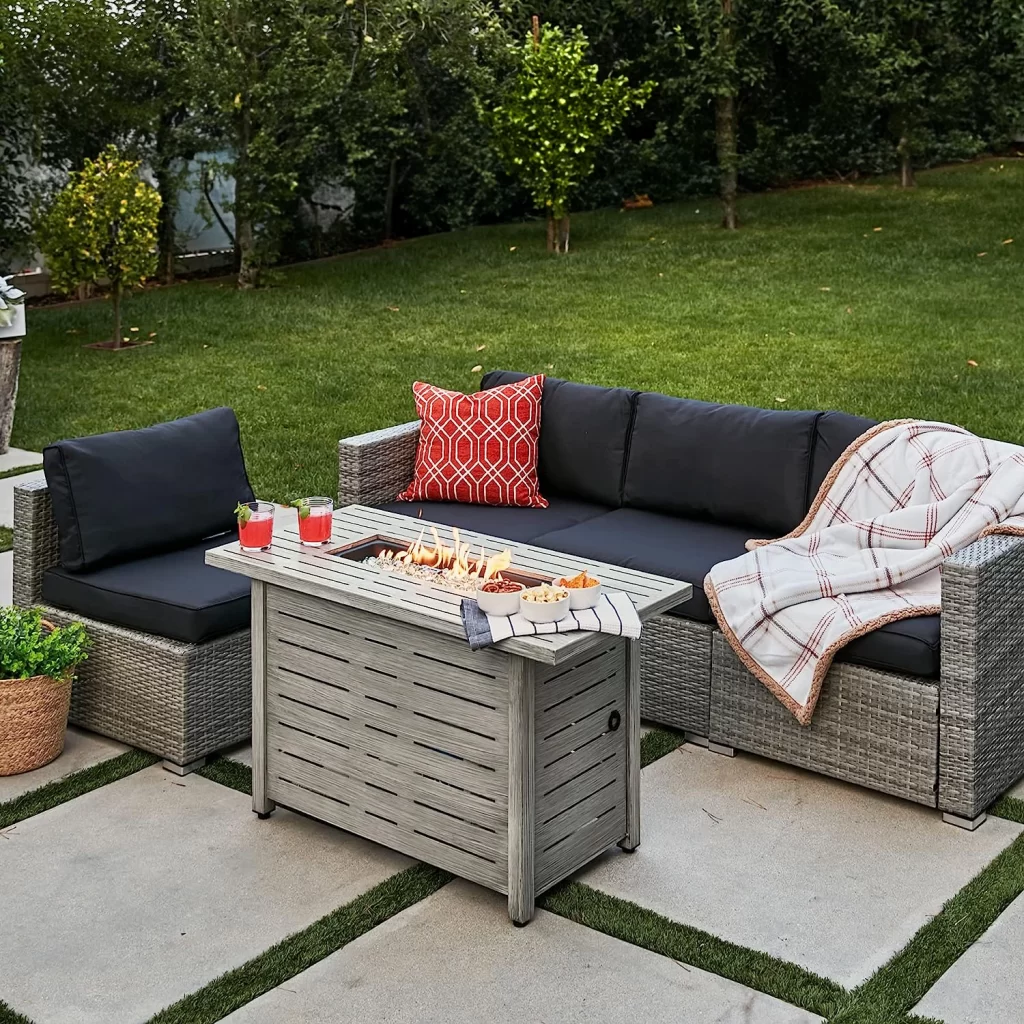
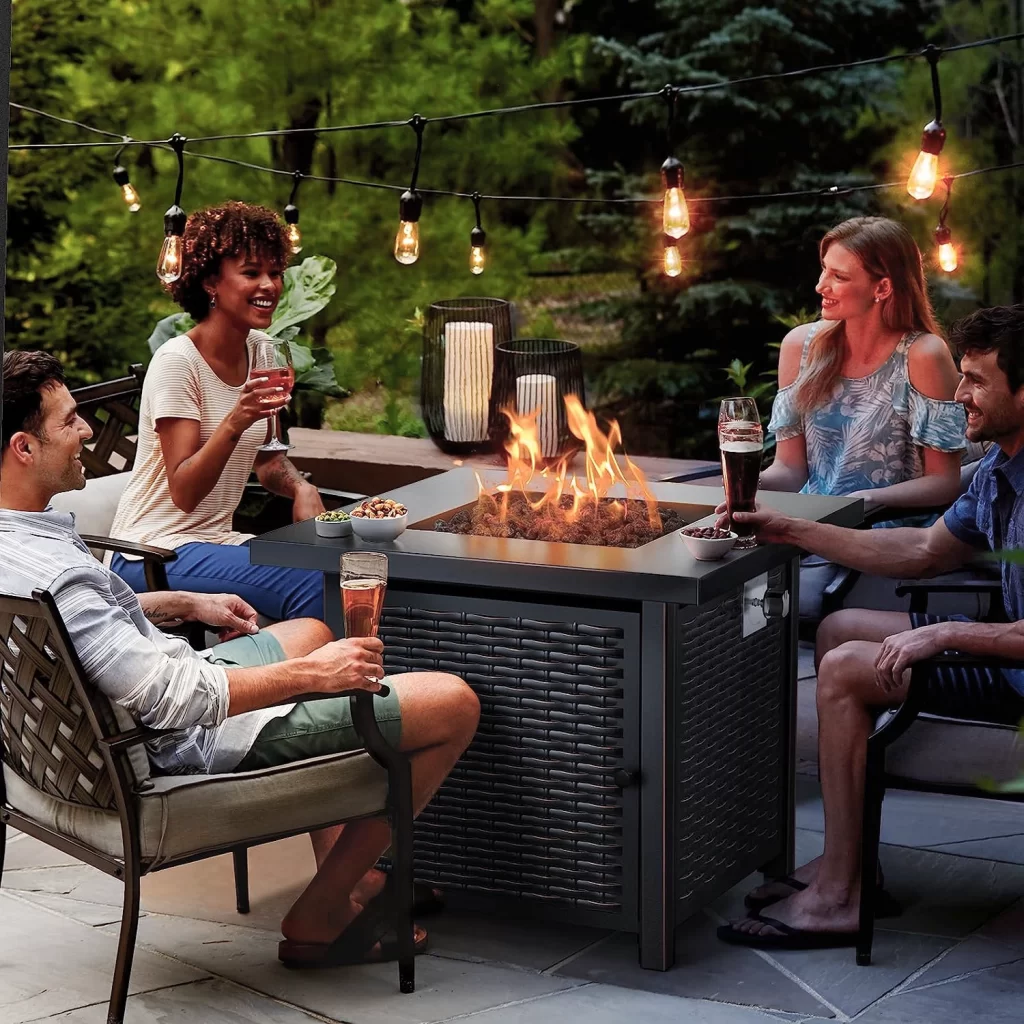
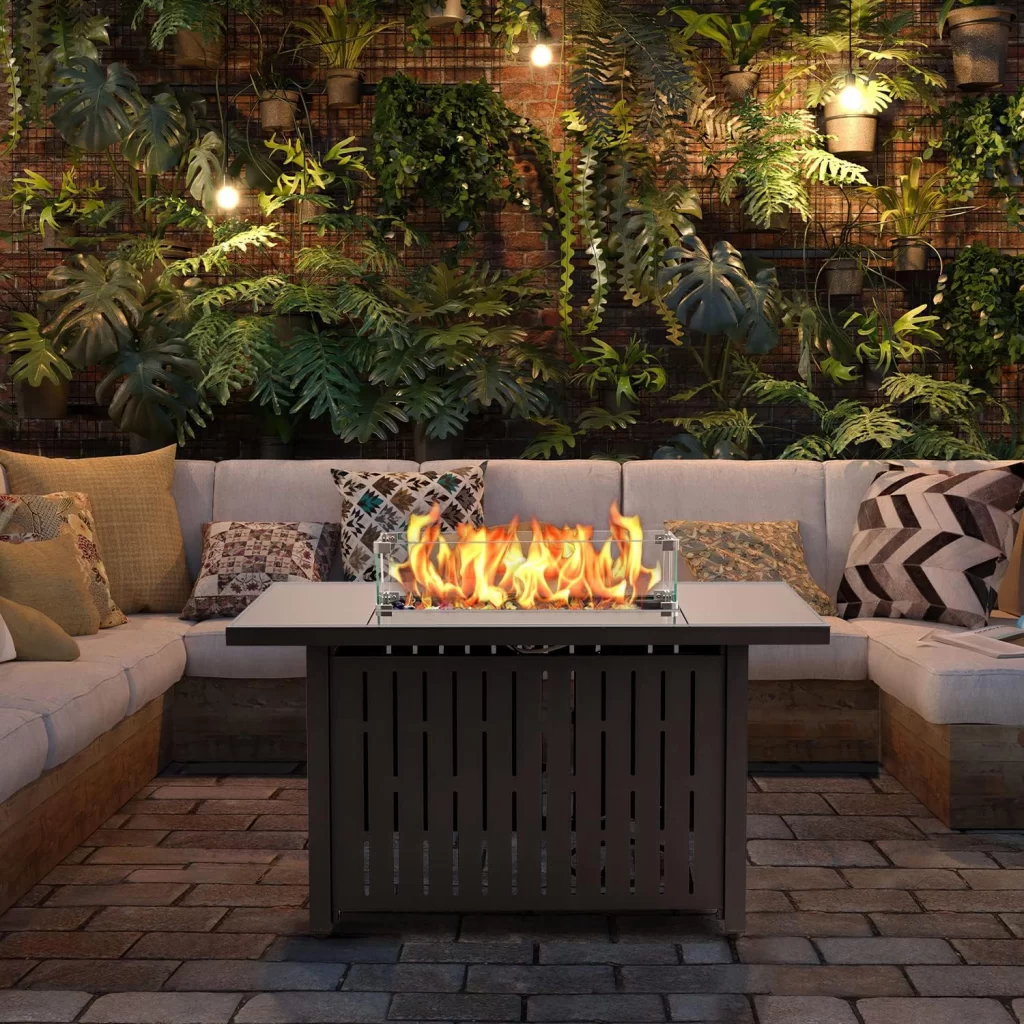

Fire pit tables combine the functionality of a fire pit with a tabletop surface. They are typically larger and provide both warmth and a convenient place to set drinks or snacks. They can be fueled by wood, gas, or other alternative fuels.
Chiminea:
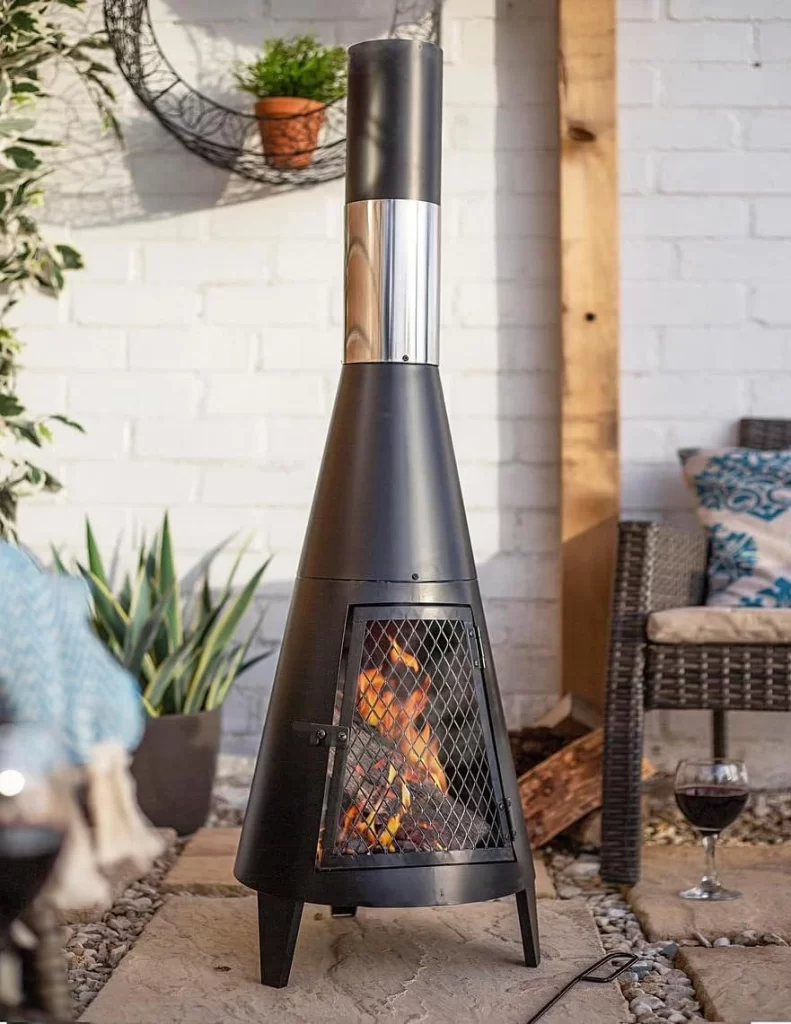
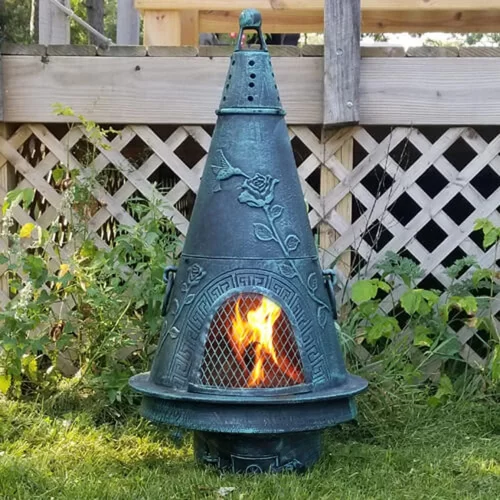
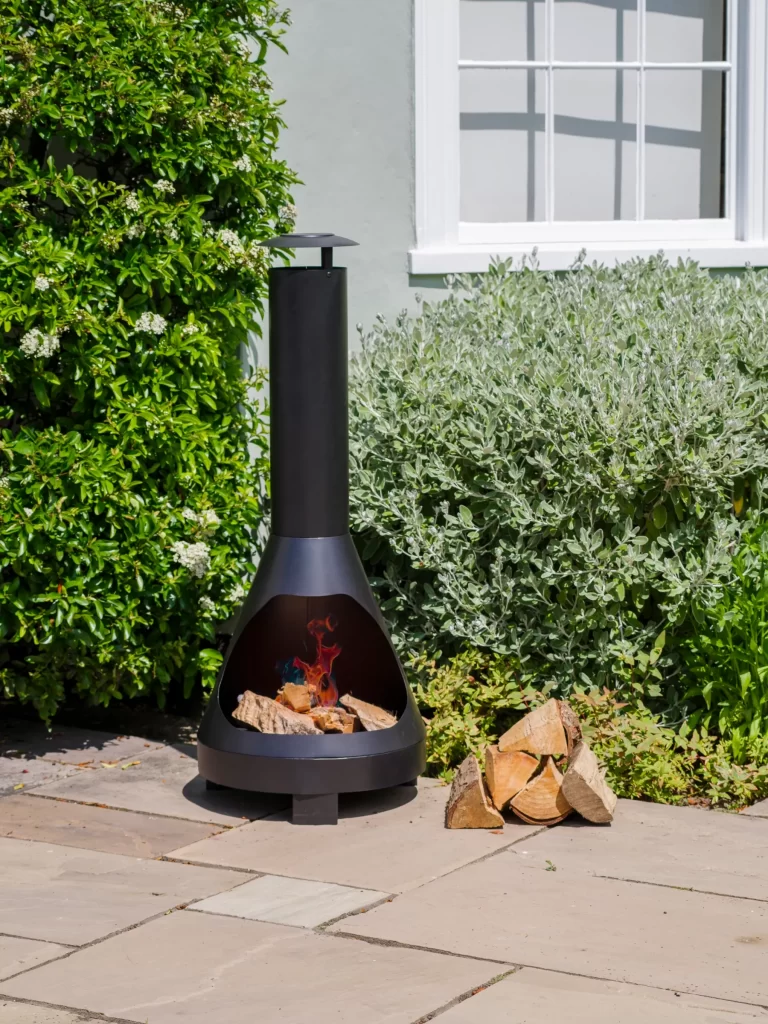
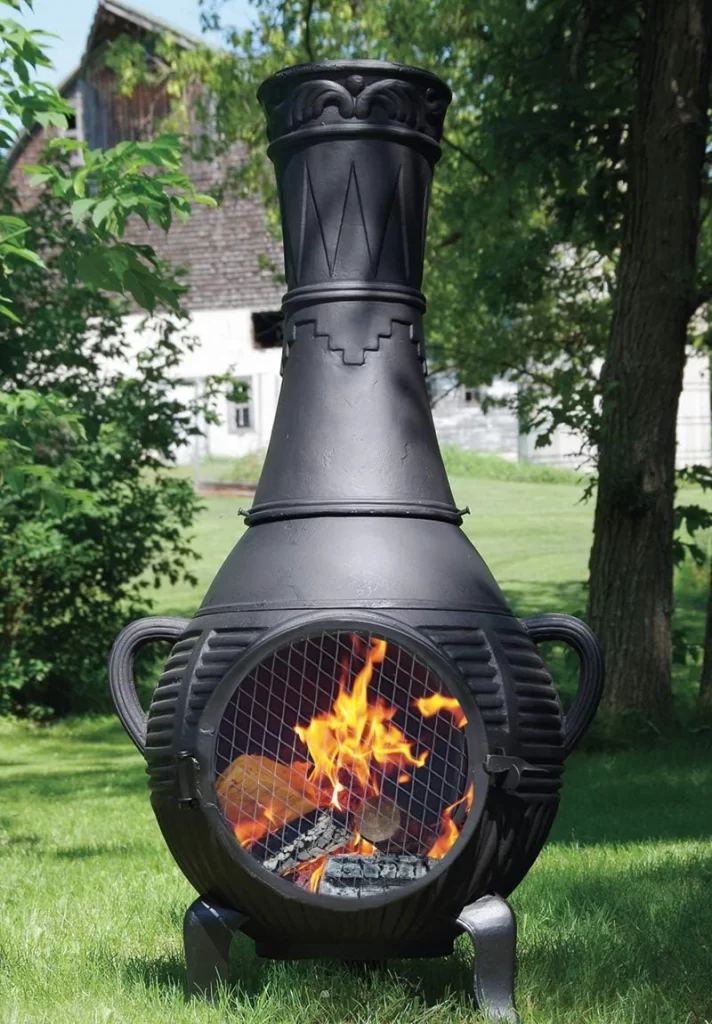
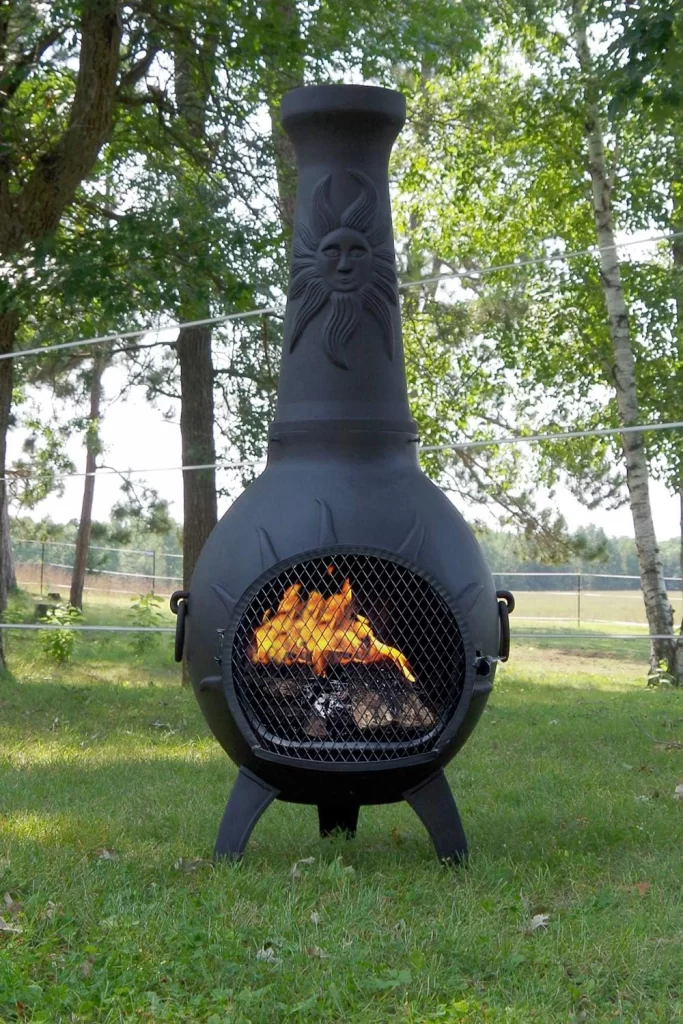

A chiminea is a freestanding outdoor fireplace with a vertical chimney. It has a rounded body with an opening in the front where firewood is burned. Chimineas are often made of clay, cast iron, or steel and can be used for heating or cooking.
Fire Pit Kits:
Fire pit kits are DIY options that come with all the necessary components to build your own fire pit. They typically include a fire ring, bricks or stones for the structure, and sometimes a grate for grilling.
In conclusion, designing and decorating an outdoor fire pit area allows you to personalize your outdoor space and create a cozy gathering spot. Whether you choose a DIY approach or seek professional assistance, incorporating elements like circular fire pits, gravel bases, sunken seating areas, and pergolas can elevate the aesthetics and functionality of your fire pit area. Remember to prioritize safety measures and consider the overall landscape design to achieve a harmonious and inviting outdoor environment.



Leave a Reply