
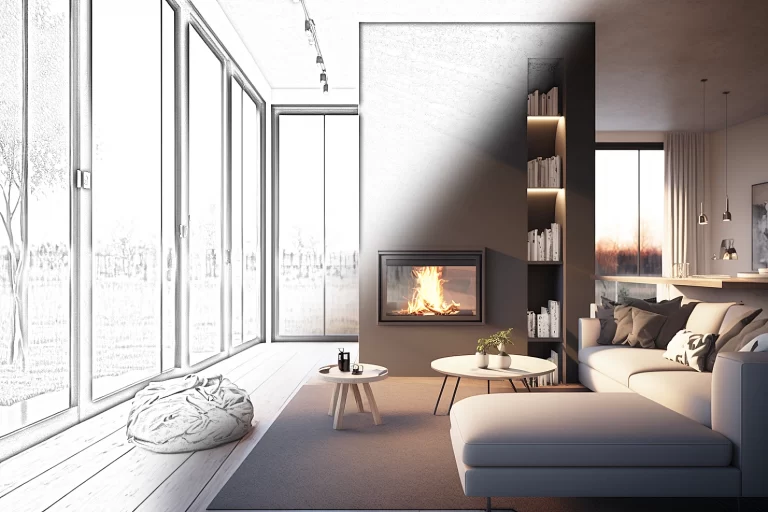
Your home or apartment is your personal space where you spend a large part of your life. Being there should be comfortable and pleasant for you. Scientific research has shown that interior design has a significant impact on people, both physically and emotionally. And if you have long dreamed of a stylish and cozy interior, then designing it yourself can be a great option. In this article, I will tell you how to create the design of your dream interior step by step on your own and introduce you to free programs and services that will make the work on your own design project easier.
Stages of work:
1. Familiarization with your needs and desires.
This is the first step towards creating the interior design of your dreams. These can be various factors, from practical to aesthetic, that you would like to see in your space. For example, if you work from home, you may need a workspace and proper lighting. If you love reading, you may want a comfortable chair and additional lighting. Additionally, you should understand your unique style and preferences. What colors, textures, and styles do you like? Would you like to create a themed area in your space? For instance, you may want to create a natural atmosphere in your bedroom, using green shades and plants. Write down all your ideas and preferences, and make a list of needs that you would like to satisfy in your interior according to your hobbies and habits. This will be the basis for further design and planning.
It is important to understand the size of the room, who will live in it, their age, hobbies, lifestyle, any special needs, if there are any pets, which functional areas are required (living room, kitchen-living room, kitchen, wardrobe, storage spaces, pantry, children’s room, home office, etc.), which materials are preferred, which style and color scheme, etc. Take your time with this step, it is very important and will help you create the perfect interior design that meets all your needs and desires.
- At this stage of the work, I suggest using www.pinterest.com. It’s a perfect platform for finding inspiration and interesting design solutions. Also, if you like a particular interior item, I recommend taking a photo of it and finding a similar one on www.images.google.com.
- It can help you work out color and style decisions and just relax while considering your dream interior design – Color At Home: A Young House Love Coloring Book.
Let’s summarize, at this stage, you need to gather images of interiors, furniture items, colors, etc. that you liked or convey the atmosphere you want to achieve. You also need to gather information about the people who will live in the house, their habits, and preferences.
2. Space analysis.
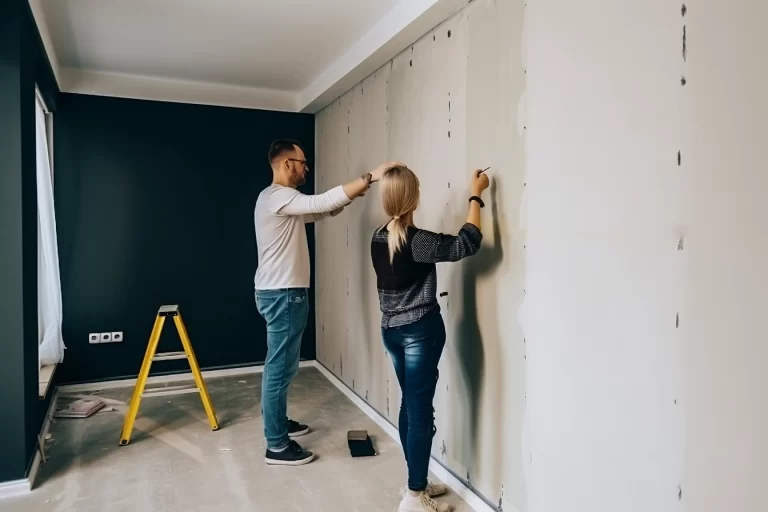
This stage involves analyzing and gathering information about the space you want to renovate. Consider all the features of the room, such as size, shape, and orientation. Check what works in the room and what doesn’t. Consider whether ventilation, insulation, additional sound insulation, etc. are needed.
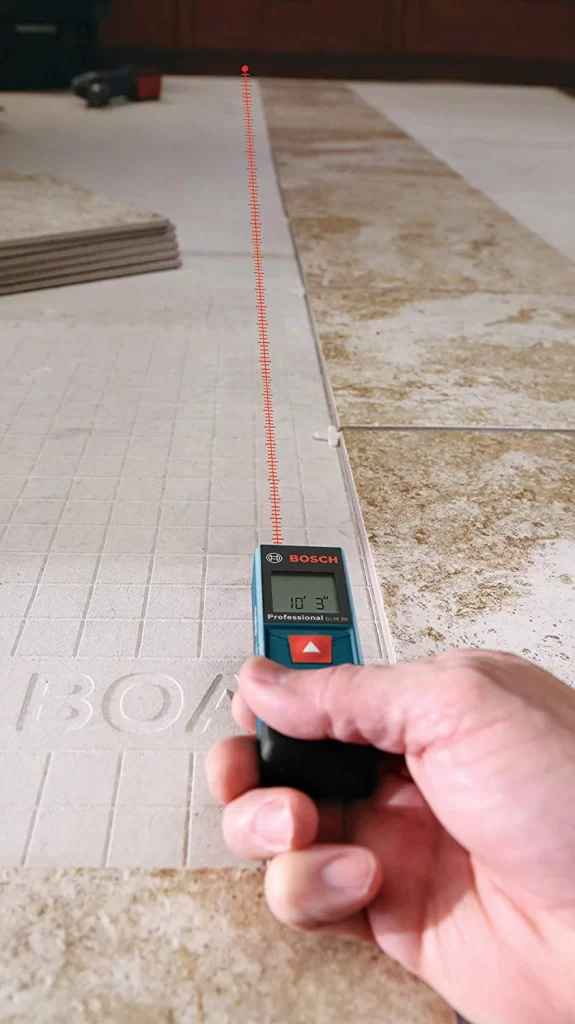
To start, take measurements of the room and draw a plan. Mark on the plan load-bearing walls, partitions, windows, doors, hot and cold water outlets, electrical panels, and more. For this stage, I have selected useful items that will significantly facilitate the work:
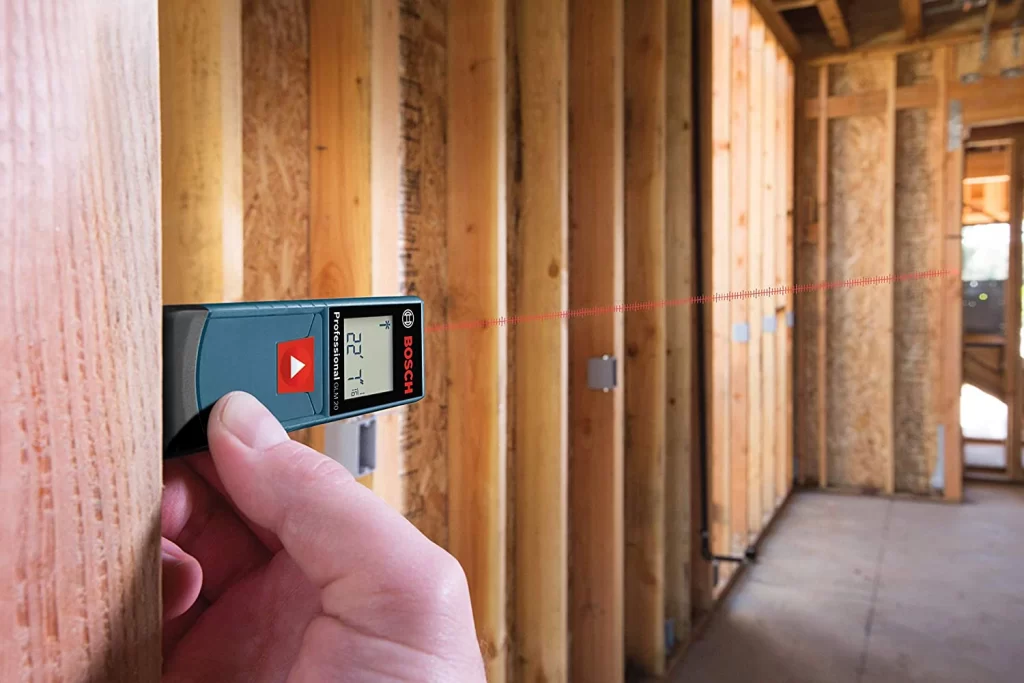
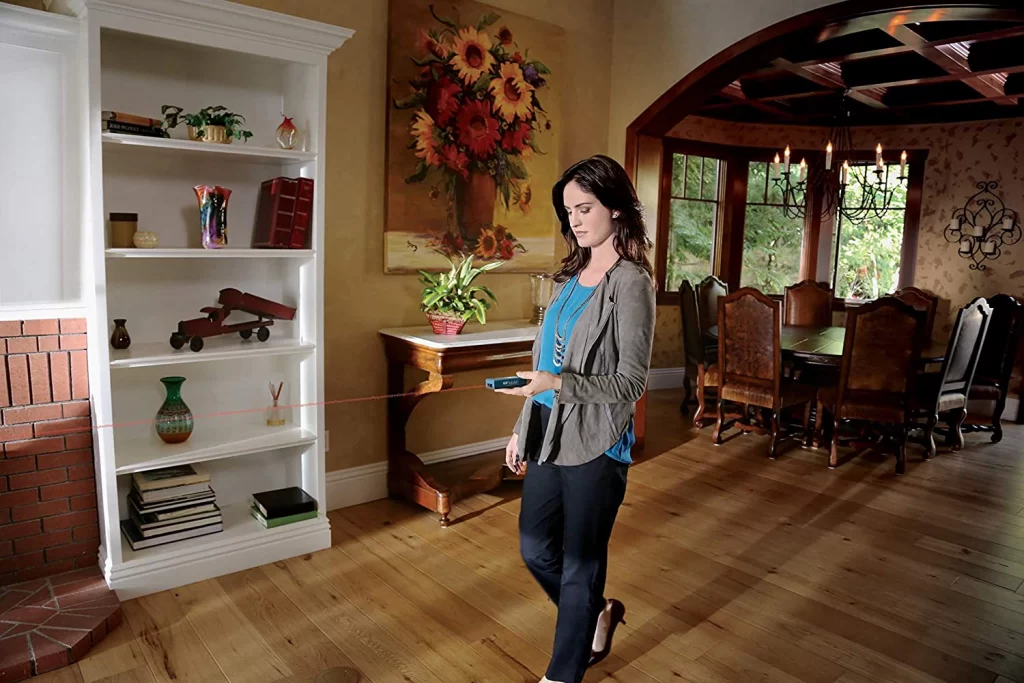
- A tape measure to measure the dimensions of the room – BOSCH GLM20 Blaze 65ft Laser Distance Measure With Real-Time Measuring
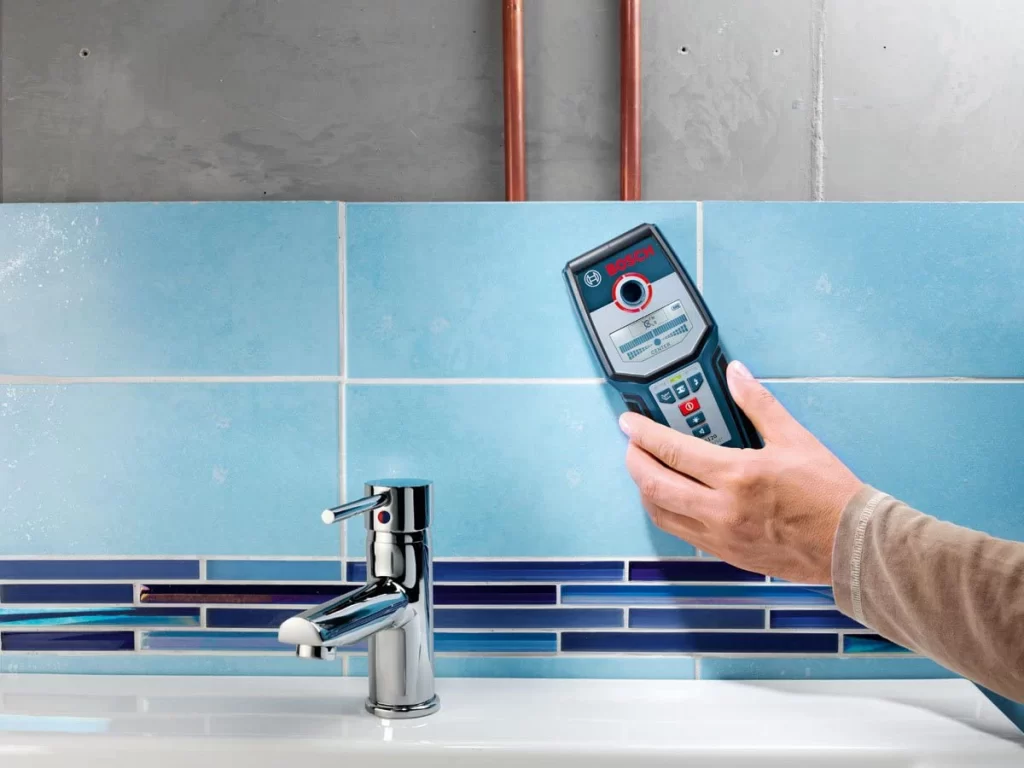
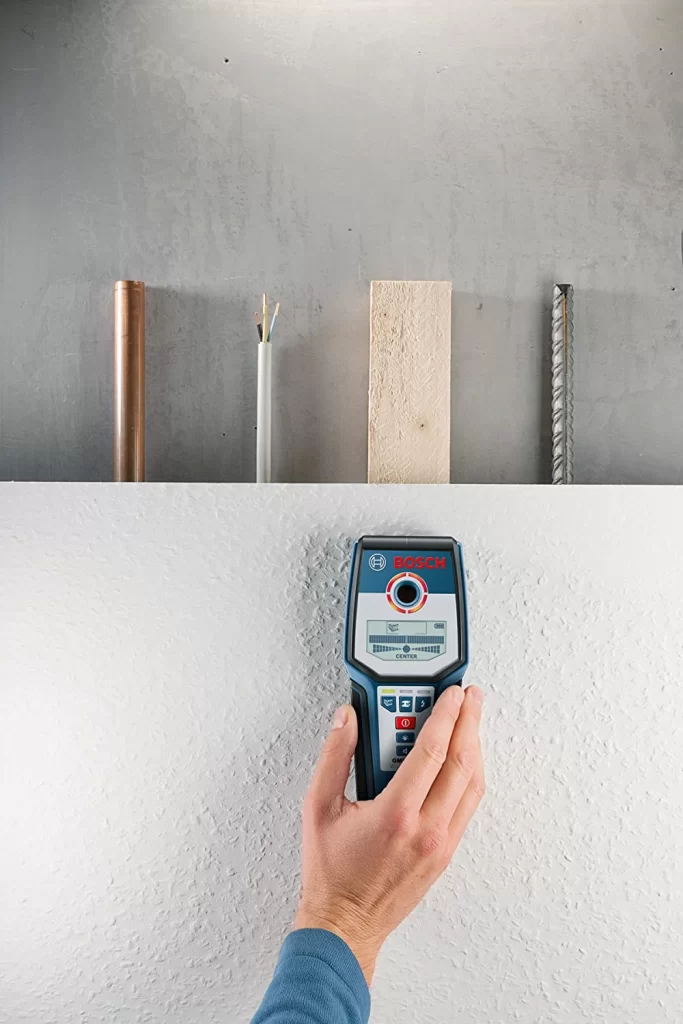
- A universal obstacle detector will help determine where electrical cables and other communications pass – Bosch GMS120 Digital Multi-Scanner with Modes for Wood, Metal, and Live Wiring.
- Millimeter paper for drawing a room plan – TOPS Cross-Section Pads, 50 Sheets.
- You can also use free programs to draw a plan for your space. They are easy to use with an intuitive interface and functionality: www.homestyler.com, www.livehome3d.com, www.sweethome3d.com, and others.
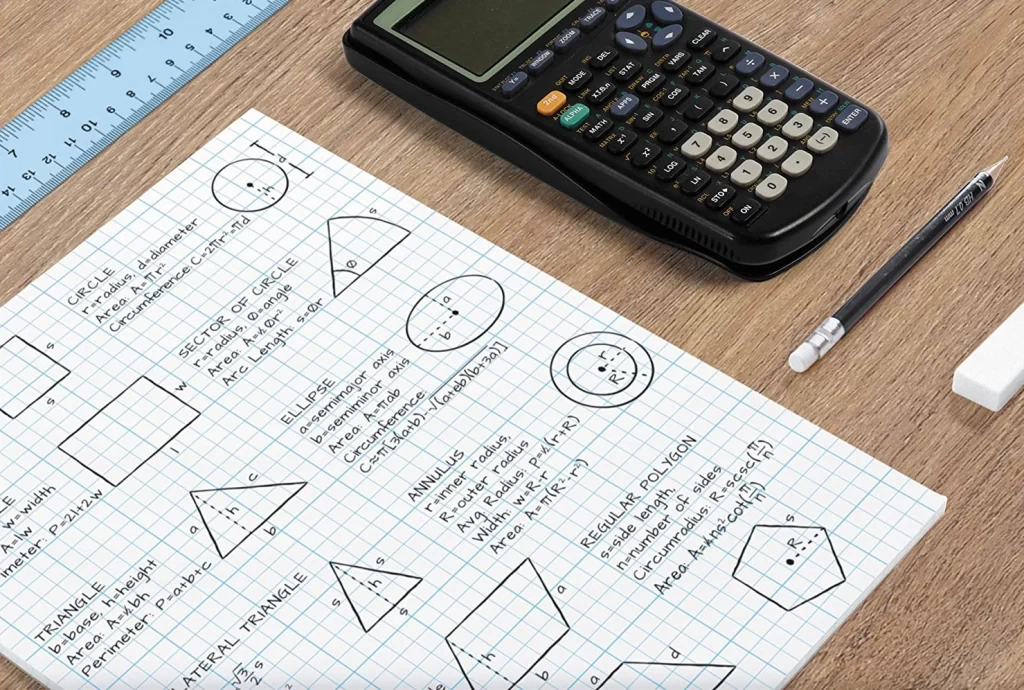
After completing this stage of work, you will have a plan for your space.
3. Space Planning.

This is a very important stage that will help create a comfortable and functional interior. First of all, you need to determine the main zones of your living space. Usually, these are the relaxation zone, cooking zone, workspace, and hygiene zone. Of course, there may be more or fewer of these zones depending on your preferences and lifestyle. Perhaps you practice dance or yoga and need to provide space for classes, or you prefer to order food, so it is not advisable to make a large kitchen at home.
On the floor plan you drew in step 2 of the work stages, designate spaces for each zone and color them differently. Then place furniture and other elements according to the functional purpose of the zones. I suggest placing private areas (such as the bedroom and all areas that you would not want to show to others) further away from the entrance and the non-private regions (living room, work office, where you receive visitors, guest bathroom, etc.) closer to the entrance.
It is also necessary to take into account the size of the room and furniture. For example, for a small room, it is better to choose compact furniture so as not to overload the space. For a large room, you can choose larger furniture that will help fill the space and make it cozier.
Start arranging furniture and other interior elements with the main elements such as sofas, beds, and tables, and continue with less important elements such as dressers, shelves, and other decorative items.
Do not forget about the optimal use of space. If you have a small room, use furniture with storage functions, such as beds with drawers or dressers with many drawers. This will help save space and provide convenience. Also, remember about ergonomics in the room, that is, comfortable and safe dimensions of passages and optimal placement of furniture. These products will help you with this:
- Furniture placement stencils for different rooms Traceease 6 Pieces, House Plan- Interior Design & Furniture Templates for Kitchen/Bed/Bath.
- The book with data for creating an optimal and comfortable space for people – Human Dimension and Interior Space: A Source Book of Design Reference Standards by Panero, Julius, Zelnik, Martin.
So now you have a plan for furniture placement. You have done a great job and have come closer to the interior of your dream.
4. Preliminary visualization.
This stage of work will show a three-dimensional picture of the room. If you used any of the special programs from step 1, just move on to the 3D image. If you are a creative person who likes to draw or just want to relax while contemplating your design, I recommend using:
- A notebook for the 3D drawing of your interior. It will make the visualization process simple and interesting – Design Ideation Sketch 3D Perspective Grid Paper Pad.
Carefully examine the image, and if you don’t like something, make corrections.
5. Choosing a color scheme.

Color is a critical element of design that can change our moods and emotions, and even influence our physiological reactions. It can create various effects, such as increasing or decreasing visual space, enhancing or reducing light, highlighting architectural details, and more. It is important to consider the psychological effect of colors. Some colors can promote relaxation, while others can add energy and excitement. For example, yellow and red are bright colors that promote a positive mood, while blue and green promote relaxation and calmness.
To choose a harmonious color scheme for the interior, it is recommended to use a color scheme. A color scheme is a relationship between colors created based on the color wheel. There are different color schemes, from simple monochromatic to complex combined, and each of them can create a certain mood in the room.
- I highly recommend purchasing the Interior Design Color Wheel. It will help you professionally select a color scheme.
- There are also apps available to check the chosen color, such as ColorSmart by BEHR, Home Decorator, and Paint Tester. You can upload a photo of your interior and test different colors for your interior.
You need to choose the main color and use the color wheel (Interior Design Color Wheel) to select harmonious additional colors. For example, for a bedroom, you can choose calm and gentle shades of the main color, while for the kitchen and living room, you can choose brighter and more saturated colors.
6. Choosing furniture and decor.

The main rule of selection is to match the chosen style and color scheme. It is important to pay attention to materials and shapes in order to create a cozy and harmonious atmosphere. It is also important to consider the proportions and amount of decor to avoid overloading the interior. Less can be more if the chosen decor fits harmoniously into the overall concept of the interior.
Don’t forget about textiles, such as curtains, rugs, pillows, and blankets, they will complement the interior and make it cozy and comfortable. It is also important to remember the functionality of decor – it is good if it not only looks good but also has practical use in the interior. For example, table lamps should not only be a decorative element but also provide enough light.
Here are a few mobile apps for “trying on” furniture:
- IKEA Place – an app from the Swedish company IKEA, which allows you to place 3D furniture models in your space using your smartphone camera.
- Housecraft.
In conclusion, creating interior design yourself is possible. This process will reveal your creative potential, increase self-esteem, and be a great way to spend time with loved ones, as working together on a project can be an excellent way to improve relationships.
So, we invite you to create your own individual interior design that will reflect your style and personality. With our practical advice and free modern technologies, you can achieve the desired result and enjoy the coziness and comfort of your home. After all, you deserve it!

Leave a Reply