
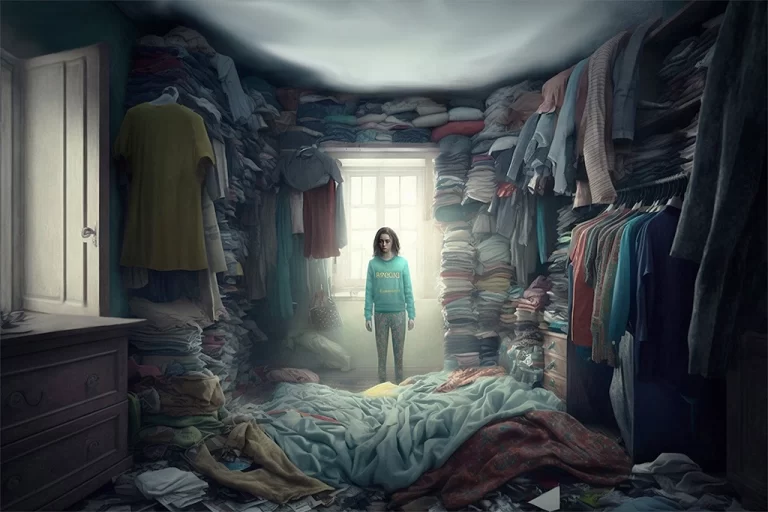
Clutter is a common problem that affects many of us, and it can be particularly challenging when it comes to managing the spaces in our homes. From piles of paperwork to stacks of clothing, it can be difficult to stay organized and keep our homes tidy. However, with the recent popularity of decluttering, more and more people are discovering the benefits of a simplified and organized space. In this article, we will explore the concept of space decluttering and how it can help transform our homes into peaceful and functional environments. Whether you’re new to decluttering or simply looking for fresh inspiration, this article will provide valuable insights into the world of space decluttering and help you on your journey to a clutter-free life.
What is declutter?
Decluttering is the process of removing excess items, such as clothing, paperwork, or household goods, from a living space in order to create a simpler and more organized environment. The goal of decluttering is to reduce the amount of physical clutter in a space and to free up both physical and mental space. This can lead to a range of benefits, such as improved mental clarity, increased productivity, and a greater sense of calm in the home. Decluttering can be done in a number of ways, such as sorting through items and discarding what is no longer needed, or reorganizing items to make better use of the available space. The process can be as simple or complex as desired, and can be done gradually or all at once. Ultimately, the goal of decluttering is to create a living space that is functional, aesthetically pleasing, and free from the distractions and stress that clutter can bring.
What habits lead to decluttering the space?
Cluttering is a common problem that affects people in different ways. Whether it’s a cluttered workspace, a cluttered living space, or a cluttered mind, it can be overwhelming and lead to decreased productivity and increased stress. But what habits contribute to this issue? There are several habits that can lead to littering of a space, including:
- Procrastination: Putting off organizing and cleaning tasks can result in items piling up and creating clutter.
- Disorganization: Lack of proper storage solutions and poor organizational habits can lead to items being scattered around the space, making it appear cluttered.
- Impulsive buying: Buying items impulsively without considering whether they are needed or not can contribute to clutter in a space.
- Hoarding: Holding onto items that are no longer needed or used can quickly lead to a cluttered space.
- Multitasking: Trying to do multiple tasks at once can result in items being left out in the open, contributing to the cluttered appearance of the space.
- Not enough storage: If a living space does not have adequate storage solutions, items can quickly pile up and become cluttered.
- Lack of routine cleaning: Neglecting regular cleaning and maintenance tasks can result in clutter building up over time.
By addressing these habits and making an effort to be more organized, it is possible to reduce clutter and keep a living space tidy and functional.
By addressing these habits and making an effort to be more organized, it is possible to reduce clutter and keep a living space tidy and functional.
What is dangerous for people cluttered space?
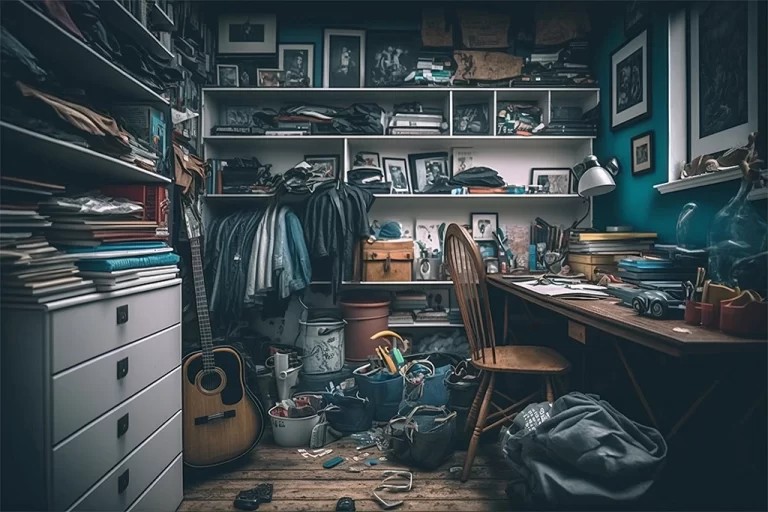
Cluttered space can be dangerous for people in several ways. It can increase stress and anxiety levels, making it difficult to relax and be productive in the space. Clutter can also be a tripping hazard, increasing the risk of falls and accidents. Dust and mold can accumulate in cluttered spaces, posing a health risk for people with allergies or respiratory problems. In extreme cases, clutter can also become a fire hazard, as piles of paper, clothing, or other items can easily ignite. Additionally, cluttered spaces can make it difficult for emergency responders to access people in case of an emergency. All of these factors highlight the importance of maintaining a decluttered space for both physical and mental well-being.
How to deal with clutter?
It is possible to take control of the clutter and turn a cluttered environment into a tidy and organized one. We will explore some practical tips and strategies for dealing with clutter and keeping a space organized. Here are some steps to help you deal with decluttering:
- Set a goal: Start by setting a clear and realistic goal for what you want to achieve through decluttering. This will help you stay focused and motivated.
- Start small: Begin by decluttering a small, manageable area, such as a single closet or desk drawer. This will help you get into the habit of decluttering and make it easier to tackle larger areas later.
- Make a decision: For each item in your space, decide whether to keep, donate, or throw it away. Try to be as ruthless as possible, only keeping items that you truly need or that bring you joy.
- Create a storage system: Organize your remaining items in a way that makes sense for you and your lifestyle. Consider purchasing storage containers or bins to keep items tidy and out of the way.
- Maintain: Once you’ve decluttered, it’s important to maintain your newfound order by regularly sorting through items and getting rid of anything you no longer need or use.
- Be patient: Decluttering can be a slow and frustrating process, but it’s important to be patient and persistent. Remember that the end goal is to create a more comfortable and organized living space.
What organizers exist for things?
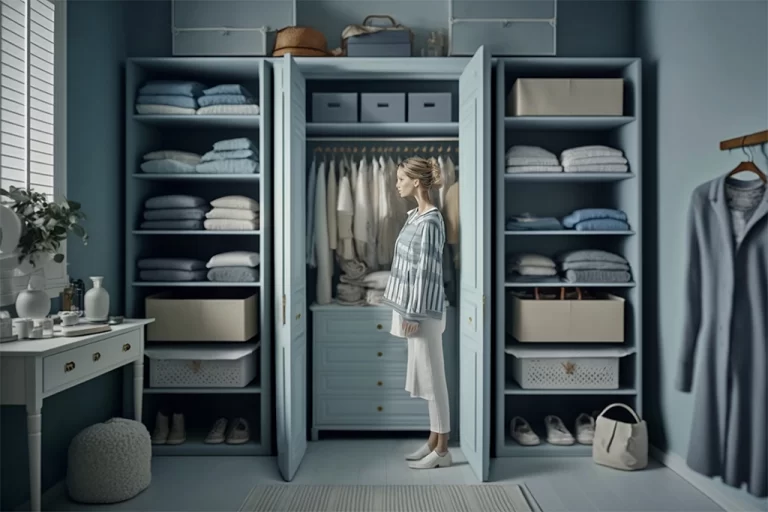
There are various organizing tools and storage solutions available to help with decluttering. Some popular options include:
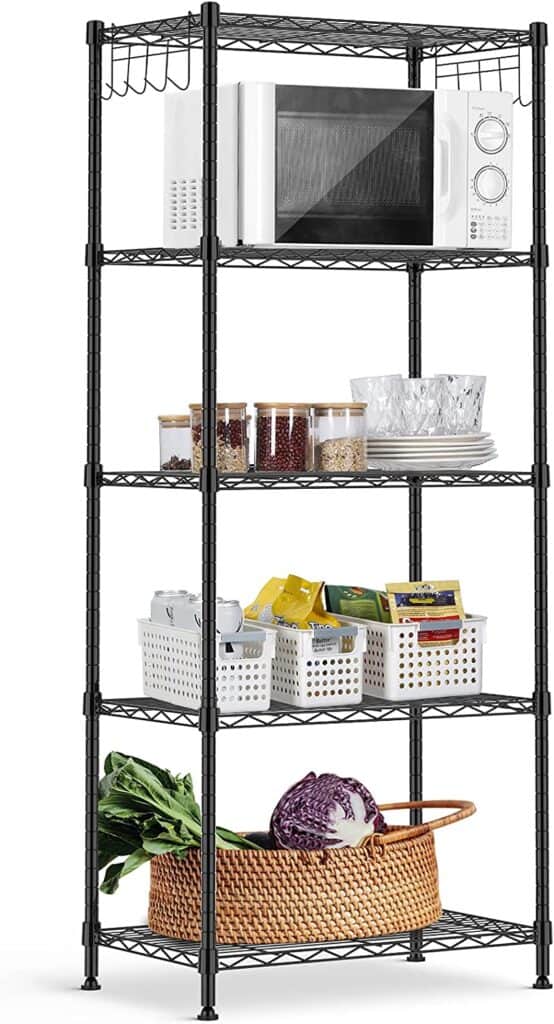
Shelving units – you can use shelves to organize items vertically, making the most of the space available.
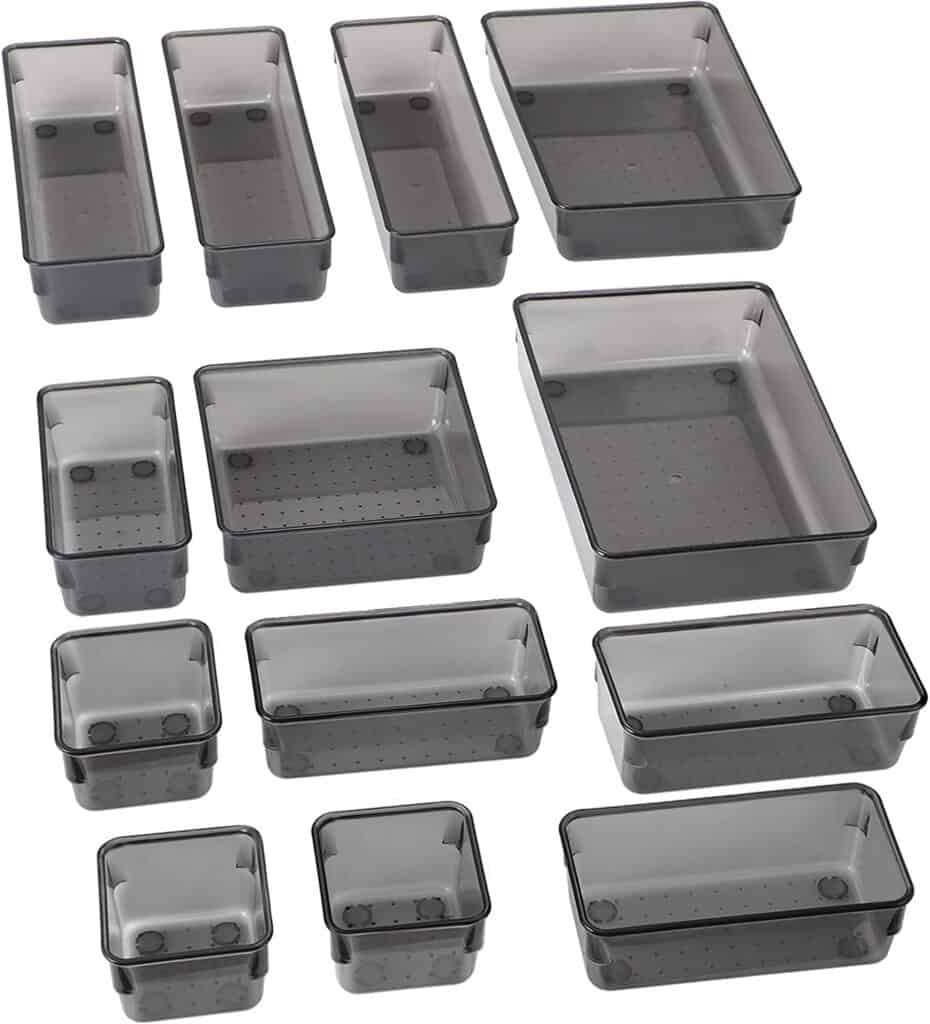
Drawer organizers – these can be used to separate items within a drawer and make it easier to find what you need.
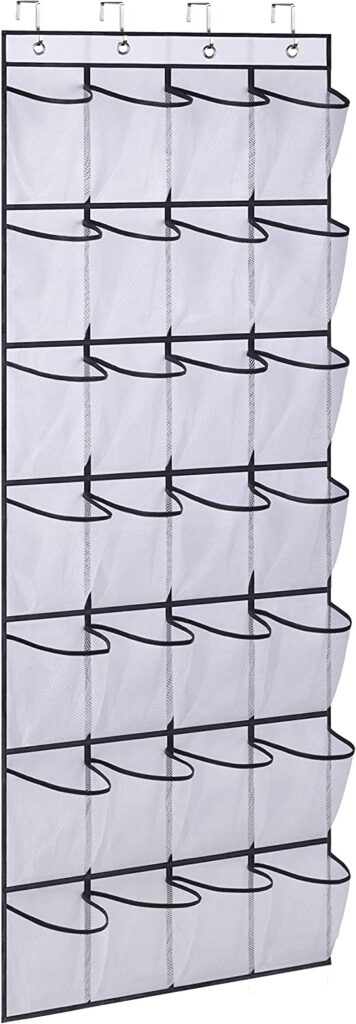
Over-the-door organizers – these can be used to store items such as shoes, bags, or clothing, freeing up floor space.
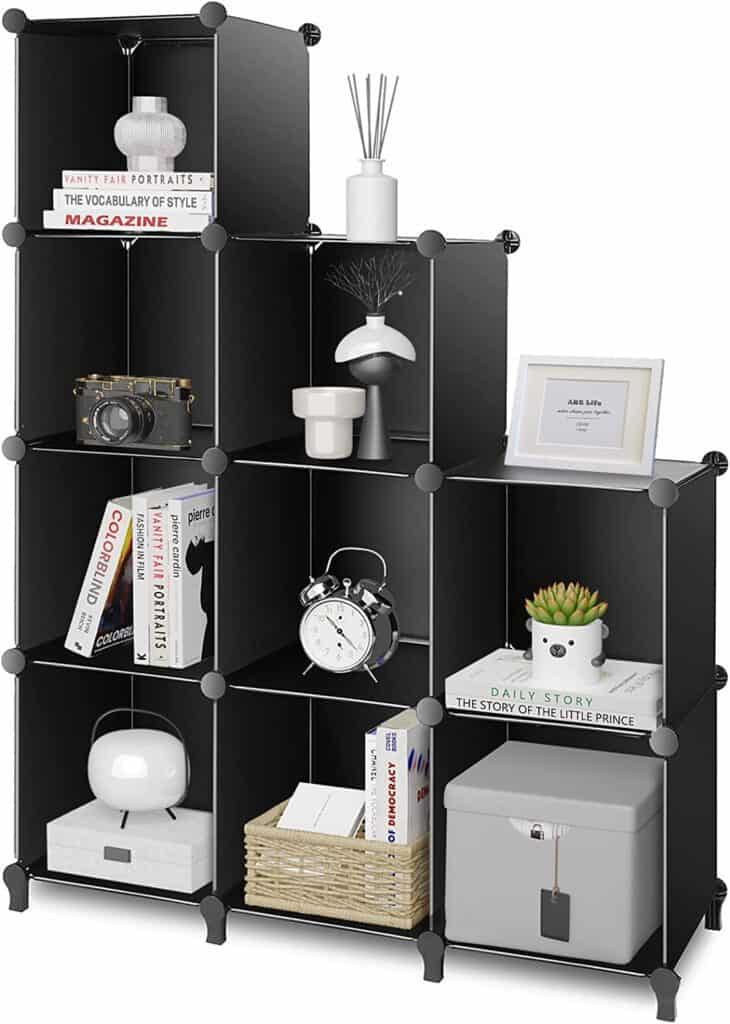
Cube organizers – these are a modular system of shelves that can be arranged in different configurations to suit your needs.
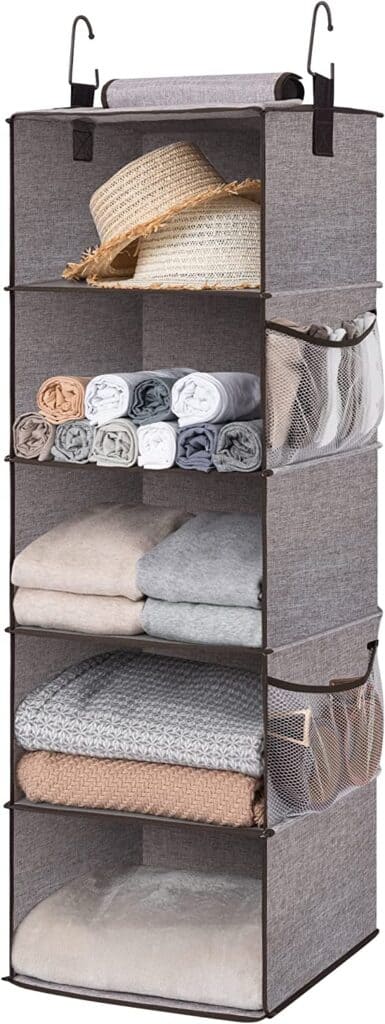
Hanging organizers – these can be used to store items such as jewelry, hats, or belts, and keep them easily accessible.
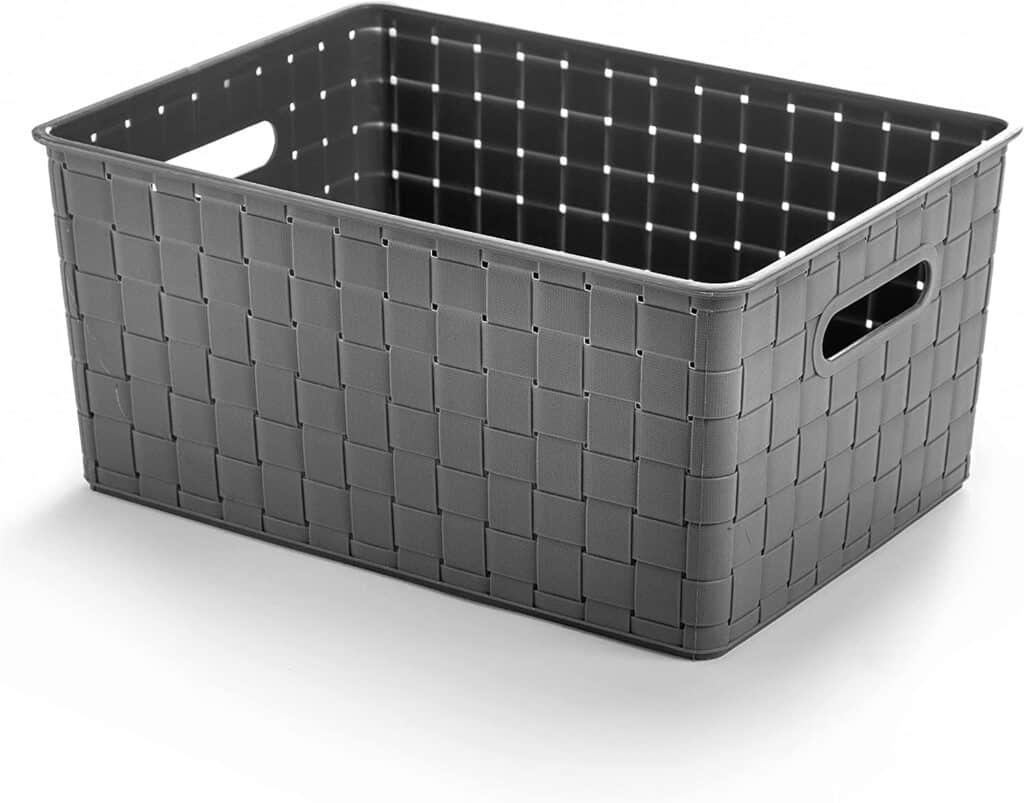
Boxes and baskets – these are great for storing small items and can be stacked to maximize space.
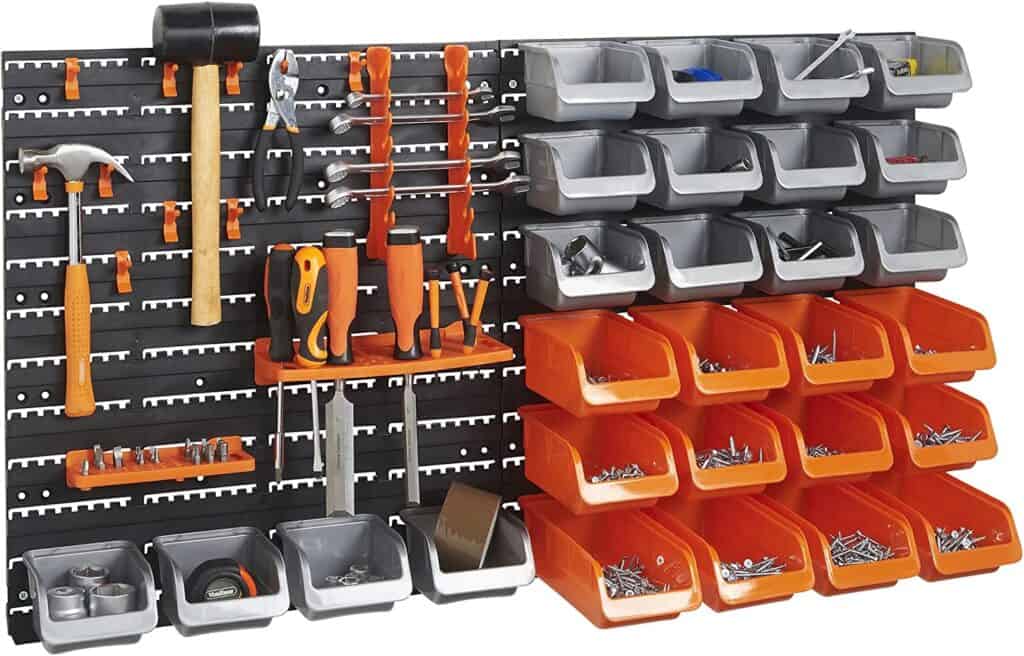
Pegboards – these can be used to organize tools or other items, and can be easily rearranged to accommodate changes.
What books can you read on the topic of decluttering?
There are many books available that offer guidance and inspiration on how to declutter your home and life. From memoirs to practical step-by-step guides, there is something for everyone looking to simplify and improve their environment.
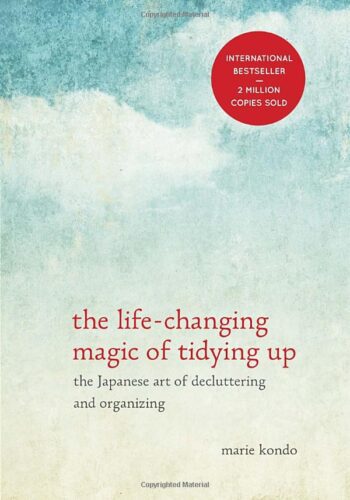
“The Life-Changing Magic of Tidying Up: The Japanese Art of Decluttering and Organizing” by Marie Kondo
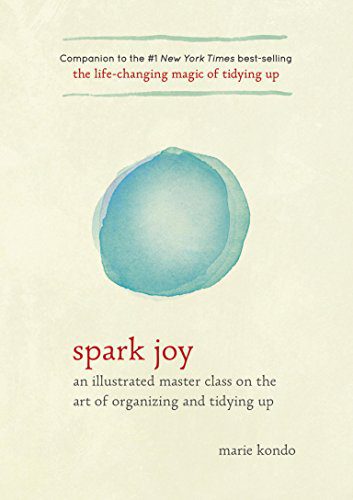
“Spark Joy: An Illustrated Master Class on the Art of Organizing and Tidying Up” by Marie Kondo
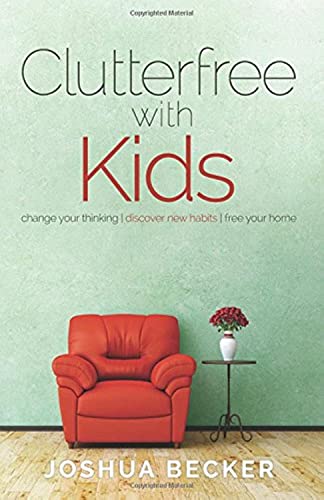
“Clutterfree with Kids: Change Your Thinking, Discover New Habits, Free Your Home” by Joshua Becker
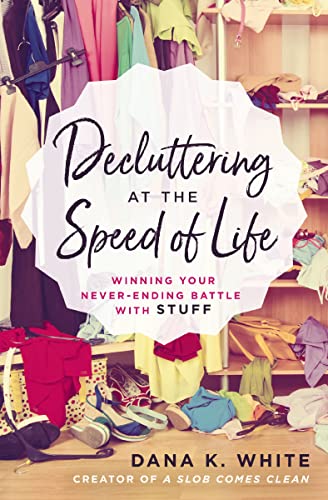
“Decluttering at the Speed of Life: Winning Your Never-Ending Battle with Stuff” by Dana K. White
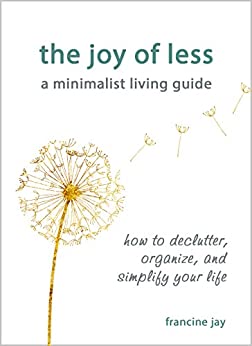
“The Joy of Less: A Minimalist Living Guide” by Francine Jay
What will we get after decluttering the space?
Decluttering is a crucial step in creating a more organized and clutter-free environment. It involves getting rid of items that no longer serve a purpose, are outdated or simply taking up valuable space. By decluttering, we not only free up physical space, but also create a clearer mind and reduce stress levels.
- Reduced stress: A cluttered environment can create stress and anxiety, but decluttering can help reduce these feelings and create a more peaceful environment.
- Increased productivity: A cluttered workspace can lead to distractions and decreased productivity. Decluttering can help create a more organized and efficient work environment.
- Improved mental clarity: Decluttering can help clear the mind and improve focus by reducing distractions and allowing you to concentrate on the task at hand.
- Increased physical space: Removing clutter from your living or work space can free up room, making it feel larger and more open.
- Improved organization: Decluttering helps you better organize your belongings and make the most of your space.
- Increased motivation: A cluttered space can be disheartening, but decluttering can help boost motivation and energy levels by creating a cleaner, more organized environment.
- Cost savings: Decluttering can help you identify items that you no longer need, potentially reducing the amount of money you spend on storage or replacement items.
Decluttering can be a liberating experience, allowing us to focus on the things that matter most, and create a more comfortable and productive environment. Whether it’s in our homes or offices, the benefits of decluttering are numerous, from improved mental clarity, to increased efficiency and reduced stress.

Leave a Reply