

What do we mean by the term “interior design” and why is it essential to create it to meet your needs?
Interior design is the harmonious combination of aesthetics and functionality of a space. Creating an interior that meets your needs and preferences is the basis for a happy and comfortable living environment. Scientists and psychologists have long proven that our quality of life directly depends on the environment in which we live, the things we use, and the people we communicate with. Agree that an old, shabby apartment with broken furniture and damaged interior items will not inspire you to achieve your goals or lift your mood. An interior that matches your lifestyle, filled with pleasant colors, furniture, and accessories will promote relaxation, improve your mood, help you quickly recover your strength, and even save time and energy as it considers your movement and habits within the space.
What is included in a good design project?
A quality design project is the foundation for creating a beautiful and comfortable living or office space. Typically, it includes the following elements:
- Information about the object: description of the space, project tasks, requirements, and constraints, including technical specifications and budget limitations.
- Design concept: description of the overall style, mood, and ideas that underlie the project.
- Drawings and diagrams with dimensions and proportions: measurement plan, plan for demolition and construction of walls (if there is remodeling involved), floor plan, ceiling plan, furniture placement plan, lighting fixture placement diagram, electrical socket and switch placement diagram, plumbing and ventilation plan, etc.
- Material selection: list of materials used in the project, such as paint, tile, flooring, etc.
- Color scheme: colors used in the project and their combinations.
- Space elements: furniture, lighting, description of decorative elements used in the project, such as curtains, paintings, vases, etc.
- Budget and timeline: planning of the project budget and timeline.
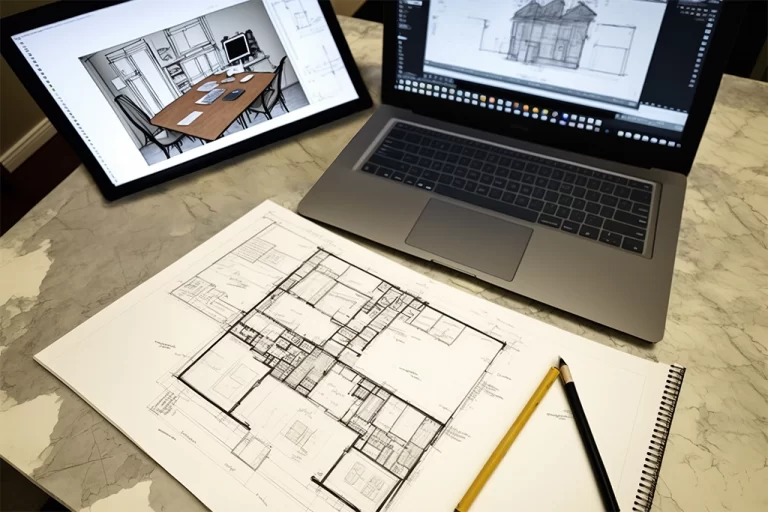
Depending on the type and complexity of the project, a design project may contain additional elements or certain elements may be combined into a single document. In general, the design project should contain enough information to make the design understandable to those who will implement it.
Who can develop a design project? Strengths and weaknesses of performers.
Advantages of creating a design project with a designer:
- Professional knowledge and experience. A designer has the knowledge and experience to create functional and aesthetically appealing interiors. They know the rules of color selection, composition, and a wide range of materials.
- Time and money savings. A designer can help you properly calculate the list of necessary materials, delivery times to the site, and the correct sequence of renovation work.
- Original and unique design. Using their knowledge and experience, a designer can create an original and unique design that will meet your needs and preferences.
Disadvantages of creating a design project with a designer:
- Costs for the designer’s services. Creating a design project with a designer requires certain costs for their services. The cost depends on the complexity of the project and the designer’s experience.
- The designer may not immediately understand your needs. Sometimes, the design project created by a designer may not match your personal taste and needs. This will lead to revisions and, accordingly, an increase in the design project’s duration. Therefore, it is important to be open with the designer, as with a doctor 🙂 and actively collaborate.
For some property owners, creating a design project on their own and then implementing it is an exciting adventure, an opportunity to express themselves, and sometimes the first step towards retraining. Agreeably, this is very inspiring and increases self-esteem! However, like in all other things, creating a design project on your own has its advantages and disadvantages, let’s consider them.
Advantages of creating a design project on your own:
- Personal contribution. Creating a design project on your own allows you to embody your ideas and personal style in the interior. This can help create a unique design that reflects your interests and taste.
- Cost-effectiveness. Creating a design project on your own will help you save on the cost of professional design services.
Disadvantages of creating a design project on your own:
- Lack of professional experience. Without experience, predicting all technical processes and calculating the materials, budget, and volumes is difficult.
- Time and effort spent. Interior design covers many technical and aesthetic issues that require a lot of time and effort to delve into.
- The need for understanding technical aspects. When creating a design project on your own, it is important to have an understanding of technical aspects such as electricity, water supply, heating, etc. so that the design is functional and safe. The cost of a mistake in these matters can be several times higher than the cost of a designer’s work.
- Responsibility for the result. Creating a design project on your own means that you cannot rely on a professional and their experience, so you bear responsibility for the project’s result.
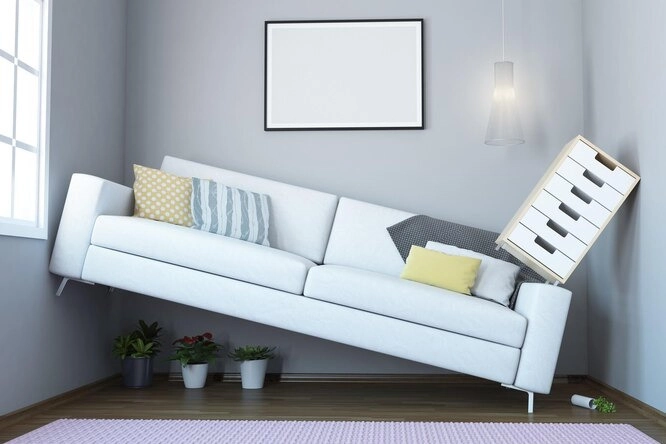
In summary, creating a design project on your own has advantages and disadvantages. If you have enough time and knowledge, it can be an excellent option for creating a personal and unique design. But if you are not confident in your knowledge and experience, it is better to turn to a professional designer who can create a quality and functional design project. Regardless of which option you choose, I wish you that the result meets your needs and expectations because you deserve it!

Leave a Reply