

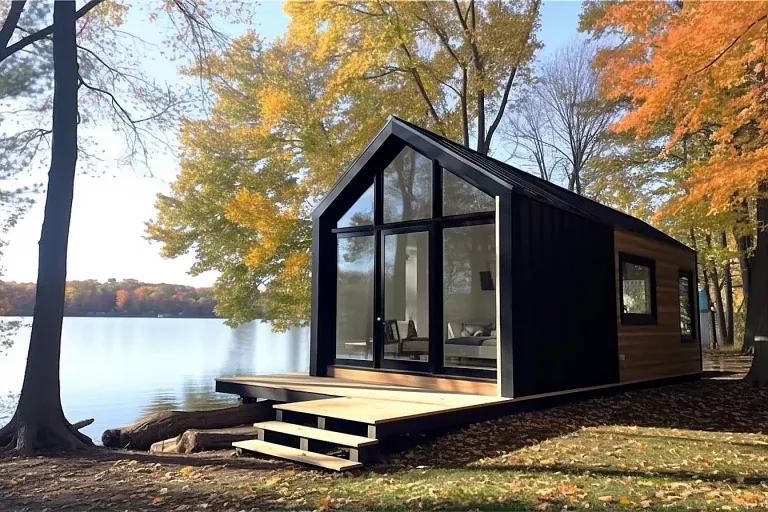
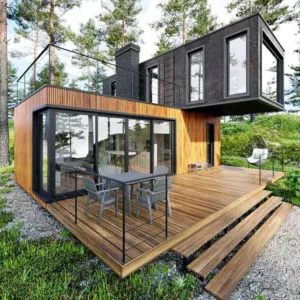
Tiny houses are compact and functional homes that are gaining popularity all over the world. They are miniature homes that can be even smaller than an average bedroom. Despite their small size, these homes can offer a multitude of advantages to their owners. In this article, we will look at what tiny houses are, how they became popular, and what benefits they can offer their inhabitants.
The concept of tiny houses originated in the early 2000s in the US, offering a solution to costly and oversized living spaces. They were intended for individuals seeking a budget-friendly and eco-friendly housing alternative. These houses can be relocated as they are equipped with wheels, making them an ideal option for those who enjoy travelling and changing their living arrangements frequently. Alternatively, they can be constructed on a permanent foundation and remain in place on privately-owned land.
Features and benefits of living in a tiny house
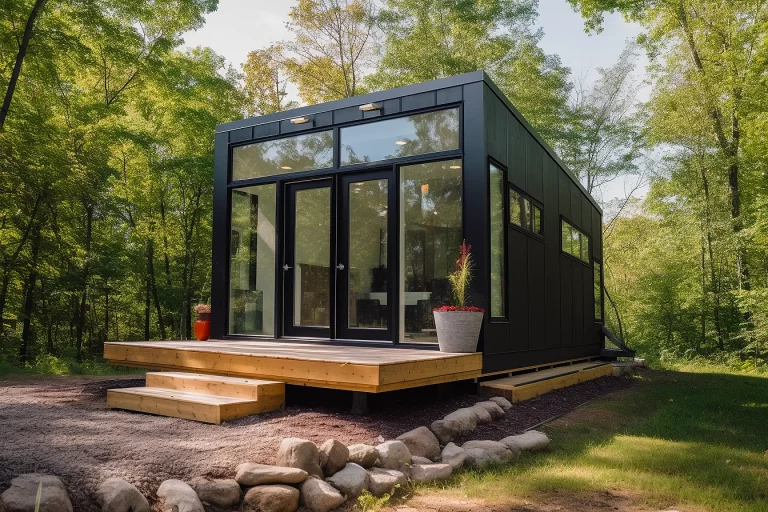
One of the main advantages of tiny houses is their ecological efficiency. They require less materials to build and use fewer resources than traditional houses. This means they can be built with less impact on the environment and can be energy-efficient, helping to reduce electricity and gas costs.
Another advantage of tiny houses is that they can be more affordable for a wider audience. Traditional houses can be very expensive, especially in urban areas. Tiny houses can be built at a much lower cost, making them accessible to many people. Additionally, they can be equipped with self-sufficiency systems such as solar panels or rainwater collection systems, further reducing utility costs and making tiny houses even more economically efficient. Furthermore, tiny houses can be installed on land plots that are not suitable for building traditional houses, providing additional opportunities for those seeking affordable housing.
Tiny houses can also be an ideal choice for those looking for a simpler way of life. They can help reduce the amount of things we have and focus on things that really matter. Tiny houses can be designed with minimal needs in mind, helping residents focus on their hobbies, reduce stress, and improve quality of life.
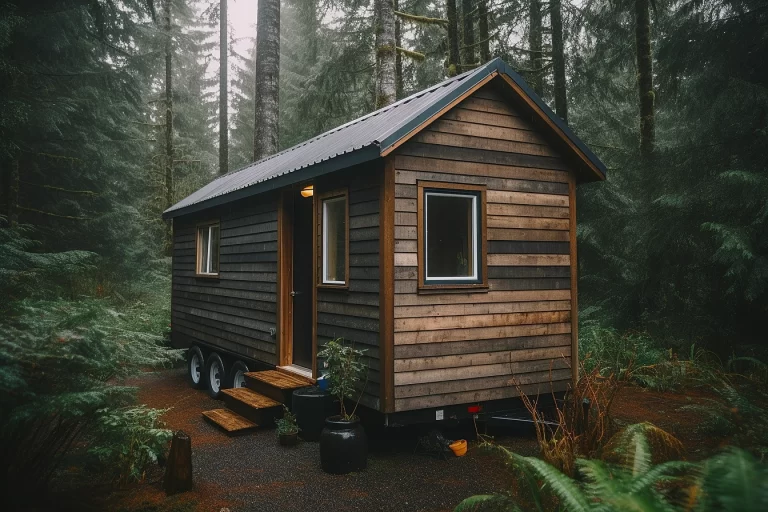
Tiny houses can also be mobile, making them an ideal choice for those who love to travel or work remotely. Additionally, tiny houses can be used as additional guest housing or as offices or art studios.
The drawbacks of tiny homes
However, like all new technologies, tiny homes have some drawbacks. Firstly, the size of tiny homes can be a limiting factor for some people. Some people may not have enough space to store their belongings or to conduct most home activities.
Some people cannot imagine their life without a large home, and tiny homes may seem too cramped or uncomfortable to them. In addition, living in a tiny home requires a certain amount of discipline and organization to fit everything in the limited space.
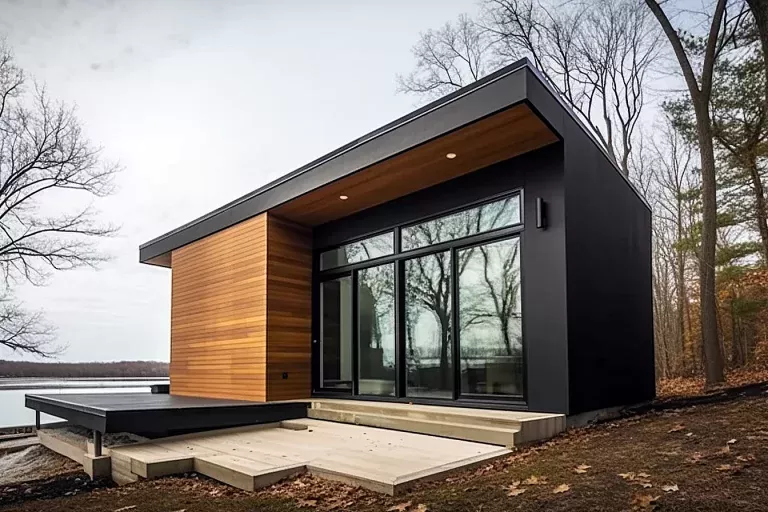
Tiny homes may also not be suitable for families with children or people with limited physical abilities. This may be due to the need to use stairs to access the sleeping area, which may be inaccessible for people with limited mobility.
Furthermore, it is important to consider that tiny homes may not comply with the zoning regulations of urban areas, which may make them unsuitable for installation on certain plots of land. Some local governments may also regulate the construction of tiny homes and require special permits for their installation and use.
Tiny homes as an environmentally-friendly and cost-effective solution
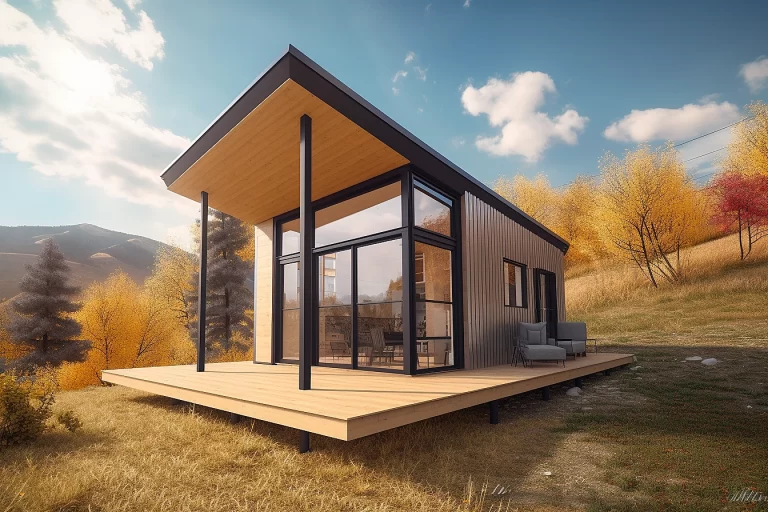
Tiny homes can also be extremely environmentally efficient. Using fewer materials to build tiny homes leads to a reduction in carbon emissions and more efficient use of resources. Additionally, many tiny homes use renewable sources of energy such as solar panels and wind turbines, which helps to reduce energy consumption and minimize impact on the environment.
Some people who choose tiny homes believe that it is also a way to reduce their carbon footprint and live more responsibly towards the planet. Furthermore, tiny homes can contribute to restoring the balance between humans and nature, which is especially important in light of modern environmental problems.
Tiny homes are a unique type of housing that can be an ideal choice for those seeking a simpler and more sustainable way of life. Despite the limitations and drawbacks associated with this type of housing, tiny homes continue to gain popularity and become increasingly accessible and economically efficient. They also provide an opportunity for all of us to rethink our needs and live more ecologically and sustainably, which can lead to a healthier and happier life for us and for our planet.
Simple DIY Construction of a Tiny House
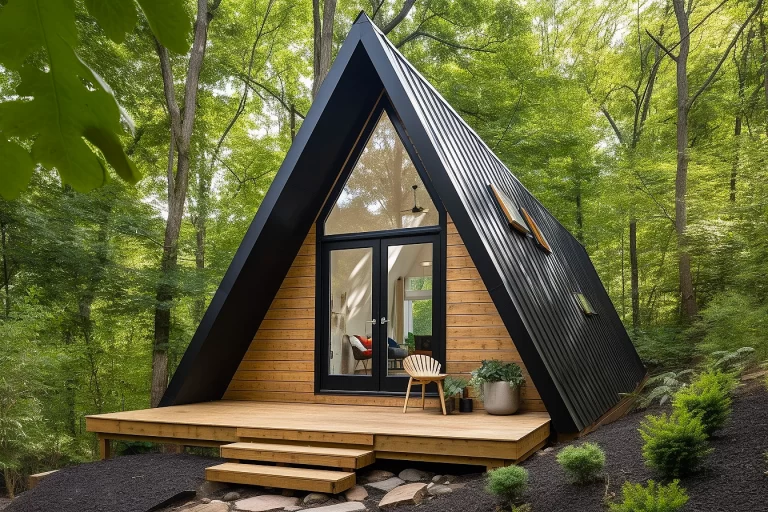
If you have decided to build your own tiny home, we recommend that you familiarize yourself with step-by-step instructions from an expert with twenty years of building experience. This will help you to build your own tiny home easily, cheaply, and in just a few days.
Related posts:




Leave a Reply